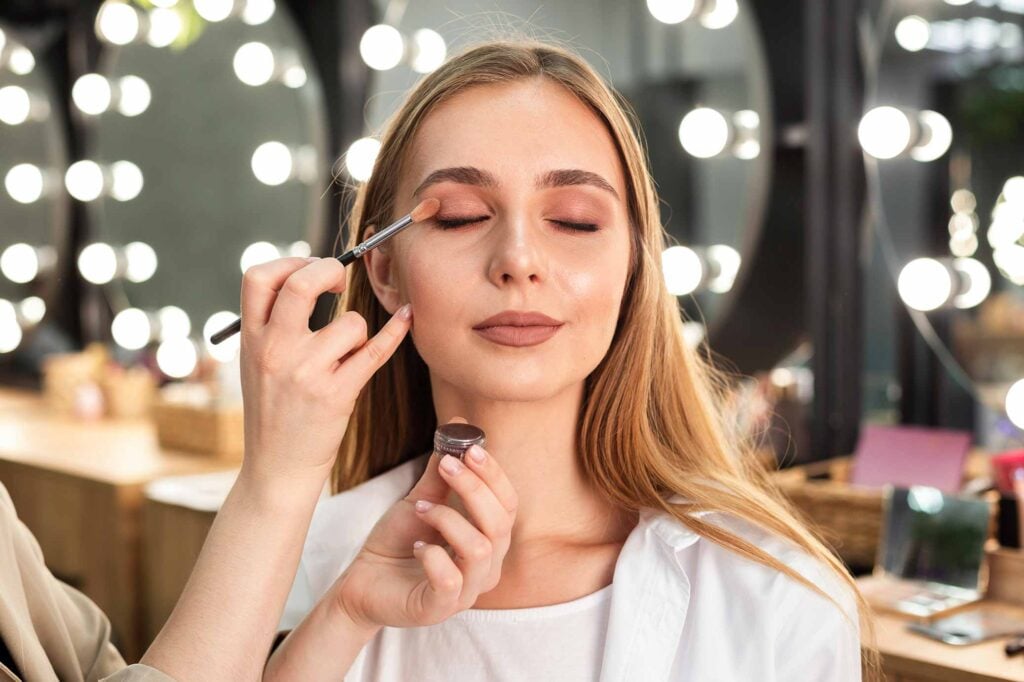
Shoppers searching for an eye cream for dark circles are usually past the point where concealer alone solves the problem. The under-eye area is often the first place fatigue becomes visible, which is why so many routines eventually add a dedicated treatment. Space NK operates as a premium beauty retailer, carrying skincare, makeup, fragrance, and haircare from names such as Charlotte Tilbury and Tatcha, and the eye care corner of that assortment reflects the same mix of established and newer skincare houses.
Understanding Dark Circles and Eye Bags: Why the Eye Area Shows Fatigue First
Skin around the eyes is thinner than skin elsewhere on the face, so shadows and discolouration tend to show through more easily. Blood vessels sit close to the surface here, meaning poor circulation or fluid retention can read as darkness or puffiness. Because this area has fewer oil glands, it also loses moisture faster, which is part of why fatigue shows up here before it shows anywhere else.
That difference is why an eye cream for dark circles is built differently from a standard facial moisturiser. Textures are typically lighter and formulas are designed for repeated, gentle use in a delicate spot. Addressing puffiness, dullness, and dark circles together is a common goal across this category, rather than isolating just one concern.
Active Ingredients That Target Dark Circles: Vitamin C, Retinol and Beyond

Vitamin C and retinol are the two ingredients most associated with brighter, smoother-looking skin around the eyes, and both appear frequently in eye-specific formulations across the wider skincare category. Caffeine and peptides are commonly paired alongside them to help with the appearance of puffiness and firmness. In addition, hydrating ingredients are often layered in, since the thinner skin in this area needs more consistent moisture support than the rest of the face.
- Vitamin C is used in eye formulations for its role in supporting a brighter-looking under-eye area.
- Retinol is included to support smoother-looking skin texture around the eye contour.
- Caffeine is often added to help address the appearance of puffiness.
- Peptides appear in formulations aimed at supporting firmer-looking skin.
- Hydrating ingredients are frequently included to counter the thinner, moisture-poor nature of eye-area skin.
Medik8 Eye Creams and Serums for Dark Circles
Medik8 is recognised within dermatologically-minded skincare for formulations built around active ingredients rather than fragrance. Among skincare houses that favour this approach, eye-specific products tend to sit alongside a wider catalogue of serums, moisturisers, and targeted treatments. Space NK‘s broader catalogue of active-ingredient-led brands gives shoppers a starting point when looking for an circles that fits an existing vitamin C or retinol routine.
Pairing an eye-specific product from the same skincare house as a facial serum is one way some routines keep a consistent ingredient approach. Product listings that include texture and intended-use details make it easier to compare options within a single range. That kind of detail matters most when an eye cream for dark circles needs to work alongside an existing retinol or vitamin C serum without causing irritation.
Sunday Riley and The INKEY List: Luxury Eye Treatments at Space NK

Sunday Riley is one of the names included in Space NK’s seasonal gifting edits, with sets such as Let It Glow built around formulas aimed at brighter, smoother-looking skin. The INKEY List takes a different approach, favouring single-ingredient-focused formulas that make it straightforward to see exactly what an eye product contains. Together, the two illustrate the range within eye care, running from multi-step luxury sets to pared-back, single-ingredient treatments.
That spread means an eye cream for dark circles can come from a multi-active formula or from a simpler, single-ingredient treatment, depending on what a routine already includes. Space NK‘s gifting edits, including seasonal sets built around specific skincare houses, change with the season, which gives shoppers a reason to revisit the eye care section more than once.
Choosing an Eye Cream by Skin Type and Sensitivity
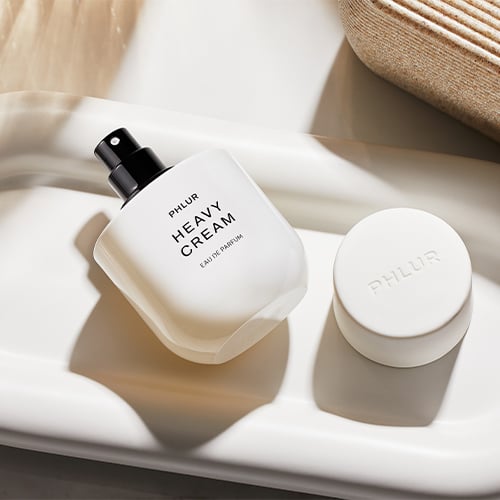
Sensitivity varies considerably around the eyes, so formulas differ in strength and texture across the category. Retinol-based products are generally introduced gradually in most routines, since the eye area reacts more readily than the rest of the face. Vitamin C formulas, on the other hand, are often chosen for a brightening effect without the adjustment period some retinol products require.
Texture plays a role in product choice too. Richer creams tend to suit drier skin, while gel-based serums are often preferred for oilier or more easily irritated skin. Space NK lists texture and ingredient details on its product pages, which makes it easier to match a formula to a particular skin type before adding it to a routine, and its satisfaction guarantee allows a return if a formula turns out to be unsuitable.
Building an Eye Care Routine with Targeted Formulas
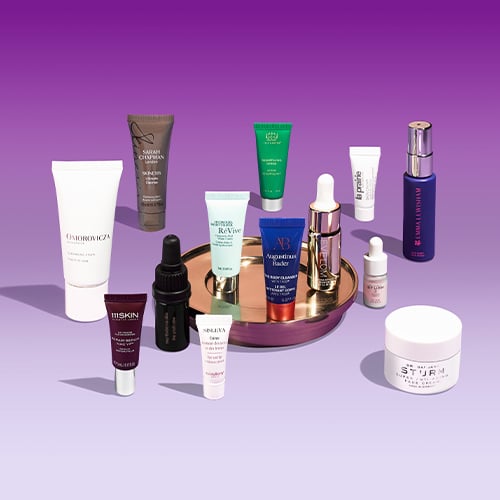
Many routines pair an eye serum with a heavier eye cream, using the serum for active ingredients like vitamin C and the cream for hydration and barrier support. Layering in this way is common practice across the eye care category, though the exact order depends on the products involved. Space NK‘s range spans standalone eye creams and serum-and-cream pairings, which allows a routine to be built from one skincare house or mixed across several.
Consistency tends to matter more than any single product in this category, since active ingredients such as retinol and vitamin C typically need repeated use before a difference in texture or tone becomes noticeable. An eye cream for dark circles is usually treated as a long-term addition to a routine rather than a one-off purchase. Browsing by ingredient, skincare house, or texture is one way to narrow down which formula fits a given routine, and free UK standard delivery on orders over £25 makes it simple to restock once a formula proves to be the right fit.
Closing Thought
Eye care remains one of the more ingredient-driven corners of skincare, where matching an active formula to individual skin needs tends to matter more than chasing any single trending product.