Living room seating shapes how a space feels and functions, and contemporary sofas and sectionals have become a focal point for anyone updating a lounge, den, or open-plan living area. West Elm approaches this category with a range of upholstered sofas and modular sectionals, and comparing them rarely comes down to a single feature since frame, fabric, configuration, and function all vary together. This article looks at how the collection is built, where the pieces differ, and which considerations matter most when weighing one style against another.
Understanding West Elm’s Contemporary Sofa Design Philosophy
West Elm frames its seating collection around modern furniture and interiors rather than ornate or heavily traditional forms. The emphasis sits on streamlined silhouettes, visible or exposed frame details, and proportions meant to suit contemporary rooms. This design direction extends across sofas, sectionals, and the wider décor range presented on the West Elm site.
That design direction shows up in how pieces are described, with attention paid to how a single sofa silhouette can be adapted into a sectional for a different room. The result is a collection built around flexibility rather than a single fixed shape repeated at different sizes.
Upholstered Sofas: Materials and Frame Construction
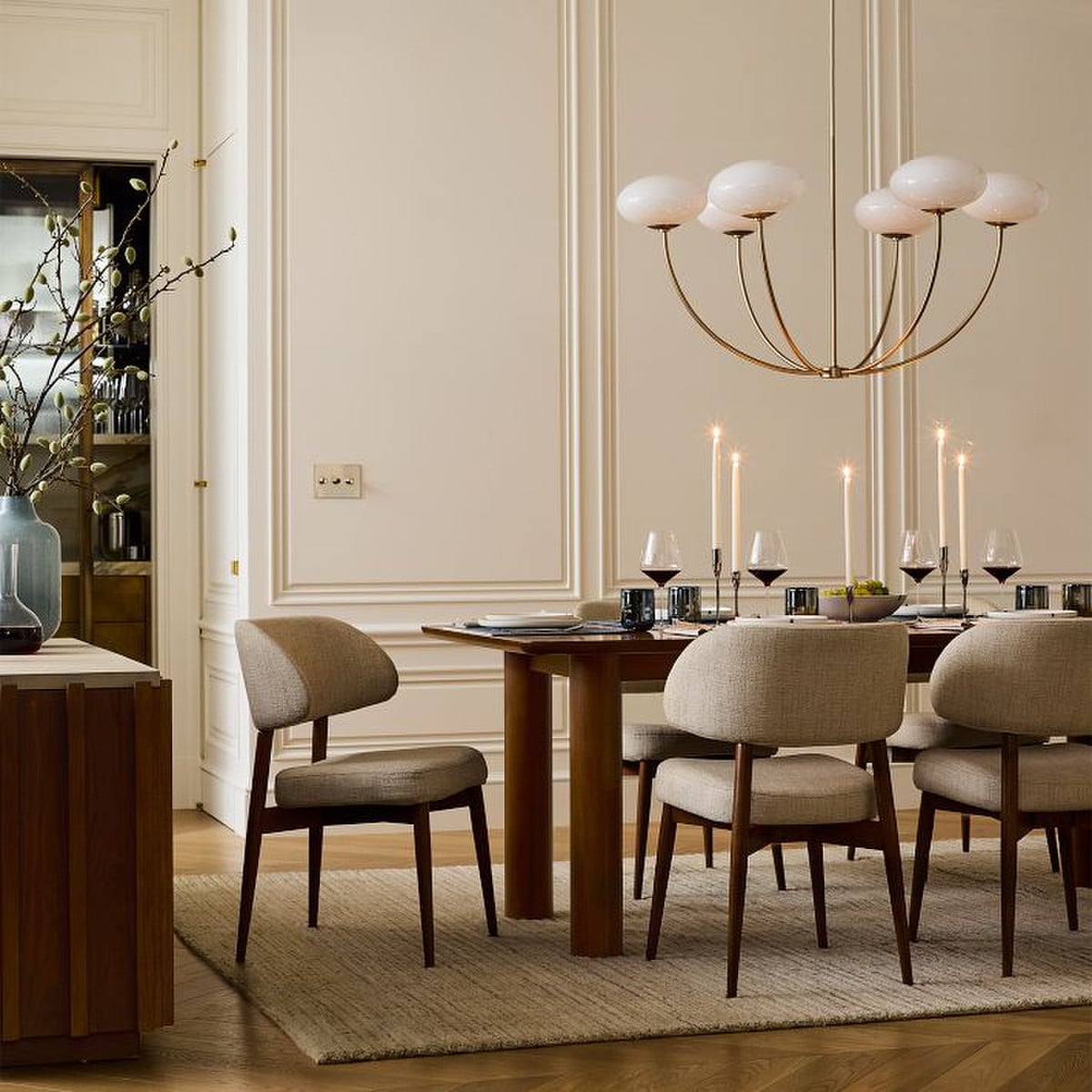
Upholstered sofas sit at the centre of the seating range, built with attention to frame construction and finish consistency. Rather than treating upholstery as decorative only, the collection ties frame choices to the contemporary look it promotes. This approach is consistent across the sofas shown on the site.
Fabric selections and finish choices are presented as part of a broader customisation path for upholstered pieces. This allows a sofa silhouette to be adjusted in appearance without altering its underlying construction. For anyone comparing contemporary sofas and sectionals, this is often the first practical distinction to note, since the same base shape can read very differently depending on the covering selected.
Sectional Configurations and Room Layout Considerations
Sectionals extend the sofa concept into modular arrangements that can be configured around a specific room shape. The approach treats sectionals as adaptable pieces rather than fixed single units, which matters for open-plan spaces or rooms with irregular corners. This modularity is one of the more practical reasons sectionals get chosen over a single sofa in larger living areas.
A sectional intended for a compact apartment living room has different spatial requirements than one intended for a larger, shared lounge area. In both cases, contemporary sofas and sectionals get positioned as pieces that can be arranged to fit the room rather than dictate it. That flexibility is part of why modular seating keeps gaining attention alongside fixed single-piece sofas.
Storage and Multifunctional Sectionals
Some sectional and sofa designs within the West Elm collection serve more than seating alone. Multifunctional pieces that incorporate storage are part of how the range addresses rooms where space has to work harder. This is especially relevant in smaller interiors where a separate storage unit is not practical.
These multifunctional options sit alongside standard upholstered sofas rather than replacing them, giving a choice between a simpler sofa silhouette and one that offers additional utility. For a smaller living room, or a space doubling as a guest area, this kind of added function often becomes a deciding factor between two otherwise similar pieces.
Fabric and Finish Options Across the Range
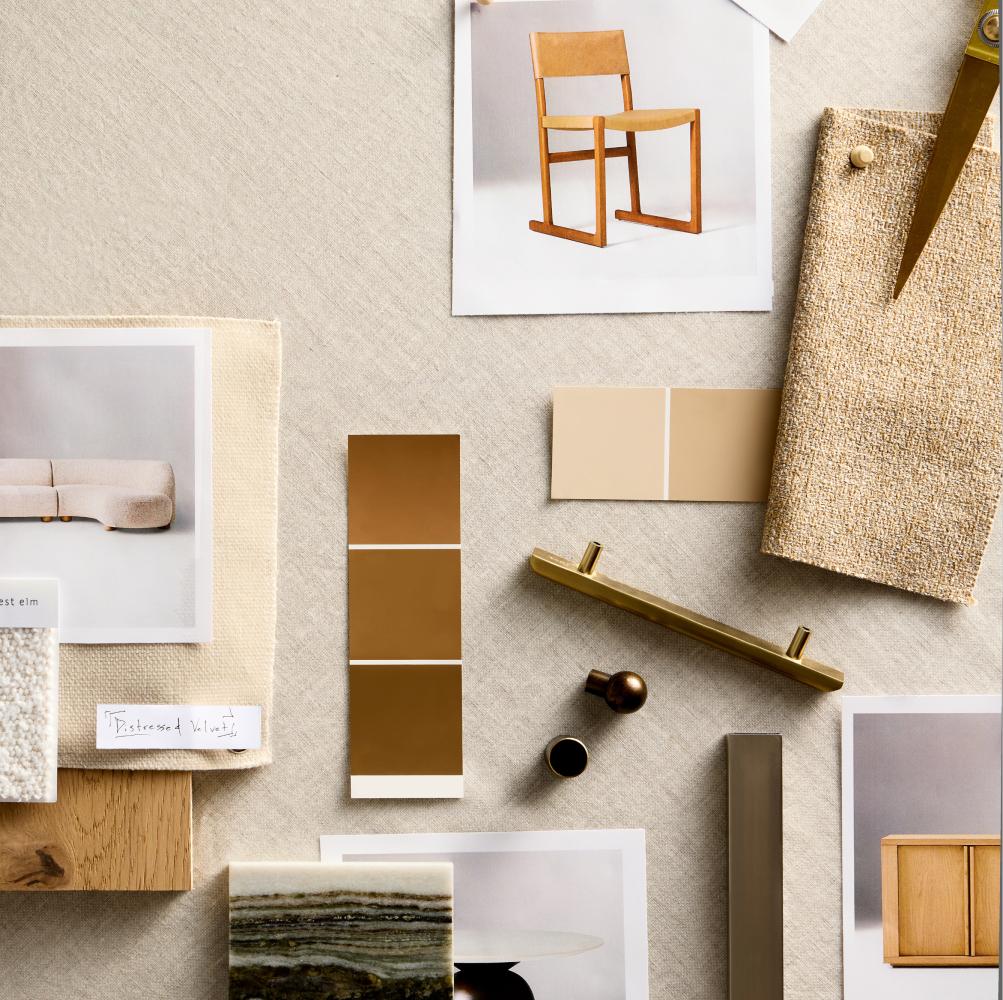
Across sofa and sectional lines, West Elm presents a variety of fabric and finish choices rather than a single standard covering. This range allows the same base frame to be adapted to different interior palettes, from lighter neutral tones to deeper contemporary finishes. It also means two households furnishing the same sofa silhouette can end up with noticeably different results.
- Upholstered sofas focus on fabric and finish variety layered over a consistent frame structure.
- Sectionals are built around modular configuration, allowing the same seating system to be arranged differently by room.
- Storage-enabled sectionals add functional compartments that standard upholstered sofas do not include.
- Finish choices extend across the range so the same frame can suit different interior palettes.
- Frame construction stays consistent across fabric options, separating structural choices from surface-level ones.
Taken together, these differences show that the seating range is not a single product repeated in different sizes. Instead, each line answers a slightly different question, whether that is about fabric variety, spatial flexibility, or added storage function.
Bringing Contemporary Sofas into Living Spaces
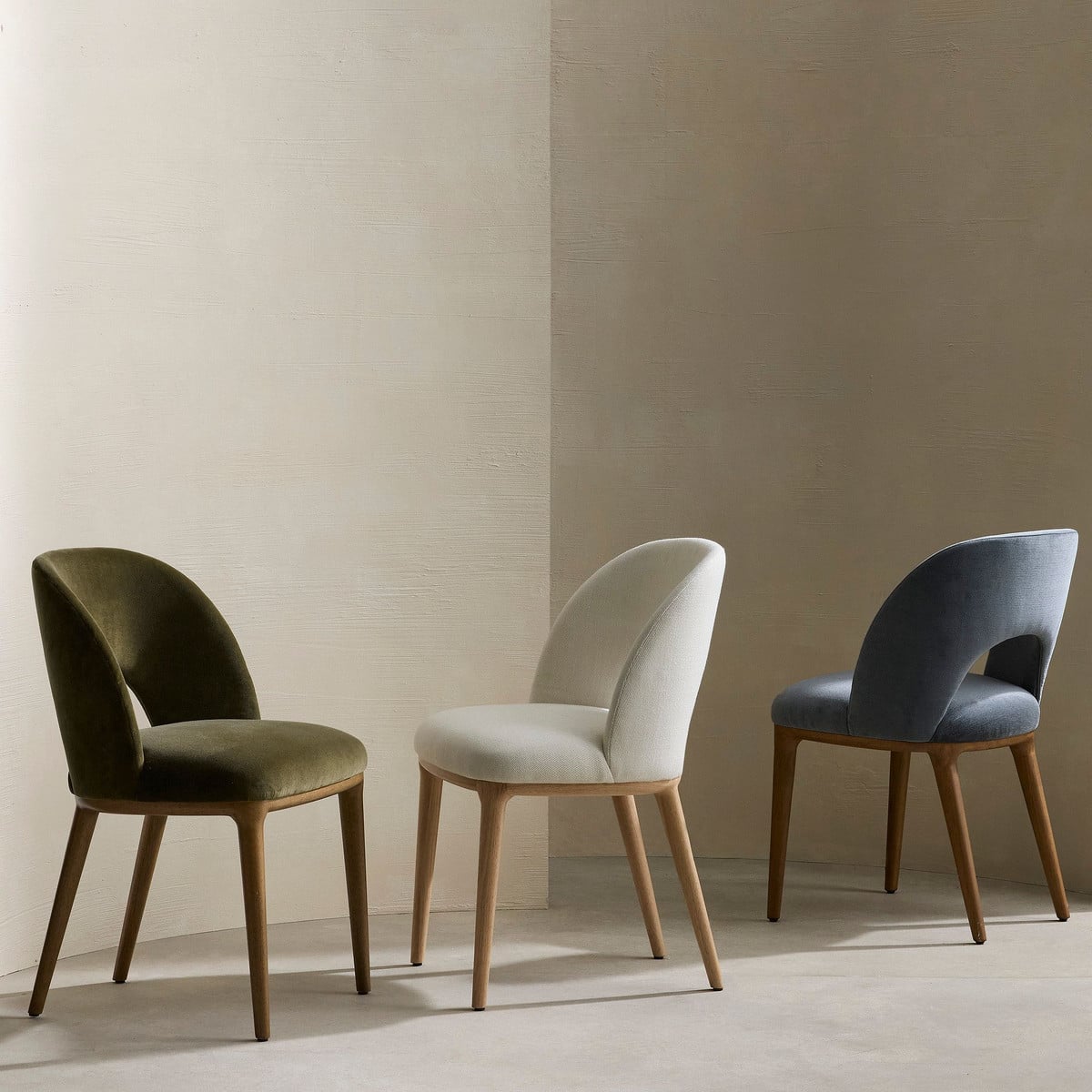
Choosing between sofa and sectional lines in this collection often comes down to room shape, how much flexibility gets needed, and whether storage is a practical requirement. Anyone exploring contemporary sofas and sectionals can review the current range directly through West Elm.
Breadth across sofa and sectional styles is part of what distinguishes the comparison between different living room layouts in the first place. A compact room and an open-plan space rarely call for the same seating solution, and this range spans both ends of that spread.
Contemporary sofas and sectionals keep adapting alongside how living spaces actually get used.