
Technology news and reviews span a wide territory, from breaking announcements about artificial intelligence to hands-on verdicts on the newest foldable phones. Engadget has built its editorial identity around covering that entire spectrum, pairing fast reporting with longer-form testing. The following sections look at how the outlet organizes its coverage across news, reviews, gaming, software, and artificial intelligence.
Engadget’s Breaking News Coverage Across AI, Mobile, and Consumer Tech
Engadget publishes rolling news coverage that moves across artificial intelligence, mobile devices, and broader consumer electronics on the same day a story breaks. Recent examples include reporting on Anthropic filing to go public, Apple updating the iPad mini with an A20 processor and OLED display, and Meta changing how government and nonprofit pages can post links on Facebook. These stories sit alongside shorter pieces on wearables, Google’s Beam video conferencing rollout, and updates to Apple’s device diagnostics process.
That mix is part of what separates ordinary technology news and reviews from a narrower gadget blog. Engadget covers companies as large as Apple and Google alongside smaller stories, such as a new colorway for Even Realities’ G2 smart glasses. The result is a news feed that treats a chip announcement and a hardware teardown as equally worth covering.
Expert Product Reviews and Teardowns: From iPhone Duo to Emerging Gadgets

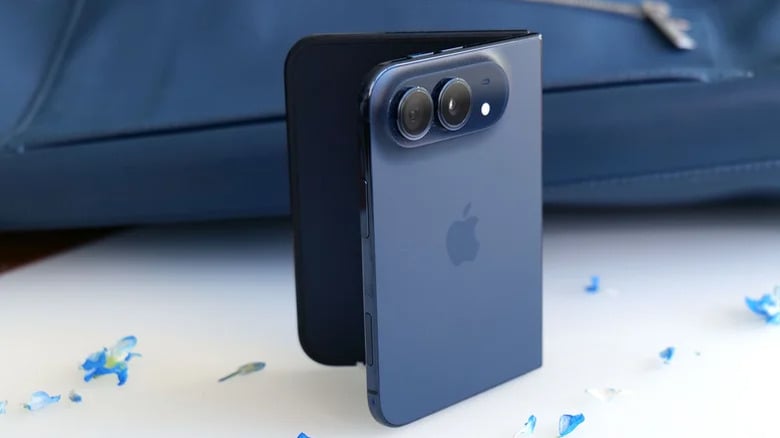
Reviews form the other half of Engadget’s editorial output, and the outlet organizes them by category, including smartphones, laptops and PCs, gaming, headphones, wearables, photography, tablets, and home tech. A review roundup covering the iPhone Duo and the Rivian R2 shows how the team groups recent verdicts into a single recap for readers tracking multiple launches at once. Sam Rutherford’s full review of the iPhone Duo called it a first-class foldable, noting it is heavy and expensive but still a treat for iPhone users unwilling to switch to Android.
Beyond the primary review, It has also covered an iFixit teardown of the iPhone Duo that pointed to potential causes for cracked screens on its folding display. Other reviews in the same window included the ASUS ProArt P16, built around NVIDIA’s RTX Spark platform, the GuliKit TT Pro controller designed for travel with the Switch 2, and the Technics EAH-A1000 over-ear headphones. Smartphone-specific reviews have also covered the Samsung Galaxy S26 FE, the iPhone 18 Pro, and the Google Pixel 11 Pro Fold, giving readers a way to compare devices across brands rather than reading about just one manufacturer at a time.
Gaming and Entertainment Reporting: Indie Games and Industry Trends

Gaming coverage on Engadget leans into both major console releases and smaller independent titles. A recent roundup tied to Steam Next Fest rounded up new indie games, including a hockey roguelite and other unconventional releases worth checking during the event. That kind of weekly indie roundup sits alongside hardware coverage, such as the GuliKit TT Pro controller review built for players who travel with a Switch 2.
Entertainment reporting extends past gaming into media and intellectual property disputes. One recent story covered the Elvis Presley estate suing Anthropic over copyright infringement, a case centered on a single music artist’s catalog. Stories like that show how gaming and entertainment coverage often intersects with the same artificial intelligence companies covered in the news section.
How Engadget Covers Artificial Intelligence Advancements and AI Safety

Artificial intelligence coverage threads through nearly every category on the outlet, not just a dedicated AI section. The report on Anthropic filing to go public, with a possible valuation as high as $2 trillion, is one example of financial and corporate AI news getting the same treatment as product launches. Separately, the Elvis Presley estate’s copyright suit against Anthropic illustrates how legal and safety questions around AI training data get covered as they develop.
Google’s AI-adjacent hardware also falls under this umbrella, including the deployment of Google Beam, a 3D video conferencing technology, at 20 USO locations. Reviews mention AI-oriented hardware too, such as the ASUS ProArt P16 built around NVIDIA’s RTX Spark platform, which the review notes is aimed at AI-focused users rather than general buyers. Taken together, this shows artificial intelligence reporting running across news, reviews, and hardware coverage rather than being isolated in one single feed.
Apps and Software Features: Hidden Tools and Platform Updates
Software and app coverage on Engadget often focuses on practical, everyday features rather than only new releases. One piece walked through decluttering a phone’s address book to remove unnecessary contacts, while another highlighted a built-in Android phone app that most users never bother opening. Coverage also extends to platform-level changes, such as Meta’s new restrictions on government and nonprofit pages posting links to Facebook.
Other software-adjacent explainers have covered how Starlink speeds compare to 5G and what happens when a PC’s CMOS battery dies. These pieces sit outside traditional news or review formats, acting instead as practical guides for existing hardware and software. That approach rounds out the publication’s broader identity in technology news and reviews by addressing everyday troubleshooting alongside breaking announcements.
- AI and machine learning developments, including corporate news such as Anthropic’s filing to go public.
- Mobile devices and wearables, covering phones like the iPhone Duo and smart glasses such as Even Realities’ G2.
- Computing and networking topics, including comparisons between Starlink and 5G speeds.
- Gaming coverage spanning console hardware accessories and indie game roundups tied to events like Steam Next Fest.
- Consumer apps, such as built-in Android tools and contact management features.
- Entertainment technology stories, including copyright disputes involving AI companies and media estates.
Engadget’s Editorial Standards and Human-Written Technology Reporting
According to its About page, Engadget launched in 2004 and has grown into a multimedia organization covering gadgets, emerging technology, and digital culture. Static Media acquired the outlet, which it describes as energizing its commitment to daily, in-depth coverage across technology, gaming, and entertainment. The organization states that its team of editors, journalists, reviewers, and contributors reports from around the world, giving its coverage a global perspective.
Engadget also states that it never accepts corporate sponsorships or reimbursement to attend press events and industry conventions, absorbing those costs internally to avoid influence or the perception of it. On top of that, the outlet states that all content is written exclusively by human writers, and that AI-generated articles are not accepted or published under its stated No-AI Writing Policy. That combination of sourcing discipline and review depth is part of what the outlet points to when describing its approach to technology news and reviews.
Between fast-moving news, long-form reviews, and practical explainers, the breadth of coverage keeps pace with an industry that rarely stands still.