
Not every reader shopping for a new laptop, router, or pair of headphones wants the most expensive option on the shelf. WIRED‘s budget tech coverage looks at the other end of the market, where value and practicality matter more than flagship status. This article walks through how the publication approaches affordable gadgets, from gaming peripherals to smart home devices, and what categories show up most often in its reporting.
WIRED’s Reporting on Affordable Tech Alternatives
It regularly publishes reviews that look past the newest flagship release to cover alternatives built for tighter budgets. A recent example is its review of LG’s cheapest OLED television, which examines how a lower-positioned set compares against pricier competitors in the same lineup. That kind of comparison is a recurring thread in budget tech coverage, since readers often want to know what gets trimmed when a product costs less, not just what it costs.
The publication also covers everyday consumer frustrations that connect to affordability indirectly, such as its piece on keeping phones cool while running Android Auto or Apple CarPlay. Practical guidance like this matters to readers who intend to keep a device running longer rather than upgrading it. This kind of service journalism sits alongside traditional reviews as part of WIRED’s wider coverage of consumer electronics.
Budget Gaming and Hardware Reviews at WIRED

Gaming hardware is another area where affordability-conscious reporting shows up. WIRED‘s review of the Valve Steam Frame highlights both what works well and where the device falls short in practice, giving readers a realistic picture rather than a purely promotional one. Its review of a mouse it called one of the most fun devices tested in a long while is another example of hardware coverage that treats everyday peripherals as worthy of serious attention.
These reviews tend to focus on usability and real-world performance rather than spec-sheet bragging rights. That approach is useful for readers who are comparing hardware options without a large budget to work with. By testing devices directly, the outlet grounds its gaming coverage in hands-on observation instead of marketing claims.
Cost-Effective Security and Privacy Tools

Personal safety gadgets are a category where The brand has built out a dedicated buying guide, covering devices like the She’s Birdie personal alarm, the Sabre 2-in-1 clip-on alarm, InvisaWear wearables, and the Garmin inReach Mini 2. The guide groups these by use case, such as discreet situations or backcountry activities, rather than by a single best option. This structure helps readers match a device to a specific scenario, whether that’s a solo jogger, a commuter, or a parent handling a child’s safety needs.
The guide also notes that testers personally trigger every alarm and, where possible, speak with emergency responders during testing. That hands-on method is part of how WIRED approaches security-adjacent gadget coverage more broadly. It reflects a pattern across the outlet’s reporting: testing claims directly rather than repeating a manufacturer’s marketing language.
Smart Home and Consumer Electronics on a Budget
Bathroom tech might not be the first category that comes to mind under budget tech coverage, but WIRED’s bidet roundup fits the same mold as its other buying guides. The piece tests models from brands including Toto and Brondell, evaluating features like seat warming and adjustable water flow across several products rather than a single pick. That kind of multi-product comparison gives readers a sense of where feature differences actually show up.
Similarly, its coverage of smart devices connected to daily routines, like phone management during car trips, treats the home and the vehicle as overlapping tech environments. Consumer electronics coverage at It tends to blend lifestyle context with technical testing. That combination is part of what distinguishes its gadget journalism from a straightforward spec comparison.
WIRED’s Analysis of Tech Value Trends
Beyond individual product reviews, WIRED tracks broader shifts in how people think about value and technology. Its story on the copper wire stripping side hustle is a case study in how rising material costs ripple outward into consumer behavior, with creators documenting the process and even selling tools and cast copper ingots. That kind of trend reporting shows how WIRED connects hardware, economics, and everyday resourcefulness in a single narrative.
Coverage of AI agents pitching themselves as journalists, and of an AI radio host broadcasting in Spanish, also touches on value in a different sense: how automation is reshaping media work and audience engagement without a large production budget. These stories widen the publication’s definition of tech coverage past gadgets alone. They show value-conscious reporting applied to media and labor, not just consumer electronics.
Accessible Gadget Coverage Across Categories

Across its site, the outlet organizes affordable technology into recognizable groupings rather than scattering it at random. The following list reflects the kinds of categories that regularly appear in its gadget and consumer tech sections.
- Budget-friendly OLED and other televisions positioned below a brand’s flagship models.
- Gaming hardware such as handheld systems and computer mice tested for everyday usability.
- Personal safety alarms and wearables grouped by scenario, including running, cycling, and backcountry use.
- Bathroom and home fixtures like bidet attachments compared across multiple manufacturers.
- Phone accessories and software habits related to car integration systems like Android Auto and CarPlay.
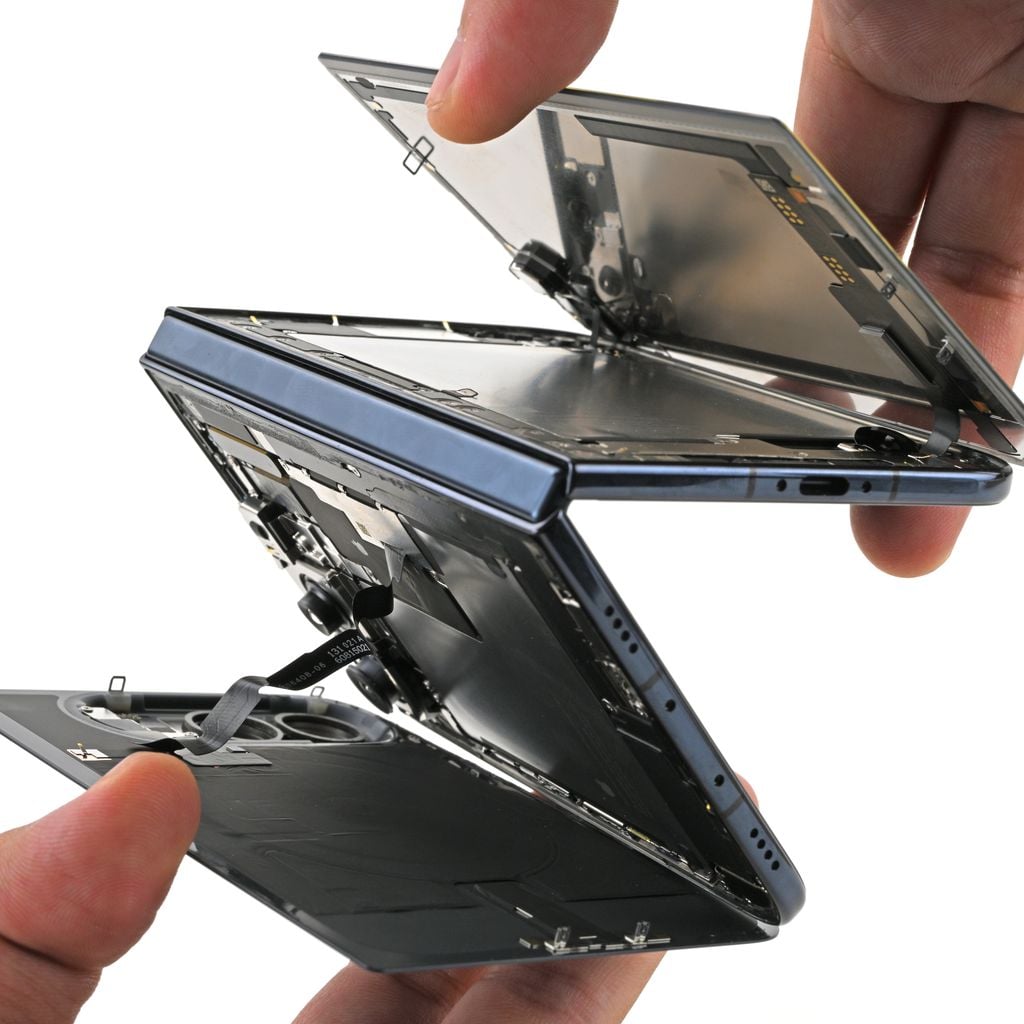
This spread shows that affordable gadget journalism at The brand is not confined to one department. Repair-focused reporting, like iFixit’s teardown of a foldable iPhone’s hinge issues, also feeds into this picture by helping readers understand durability concerns before any purchase decision. That repair angle adds another practical layer to how the outlet frames long-term value, separate from the initial purchase price.
Taken together, these categories suggest that budget tech coverage is less about a single bargain-hunting checklist and more about consistent testing across many kinds of devices. WIRED‘s approach treats affordability as one lens among several, alongside durability, usability, and repairability.