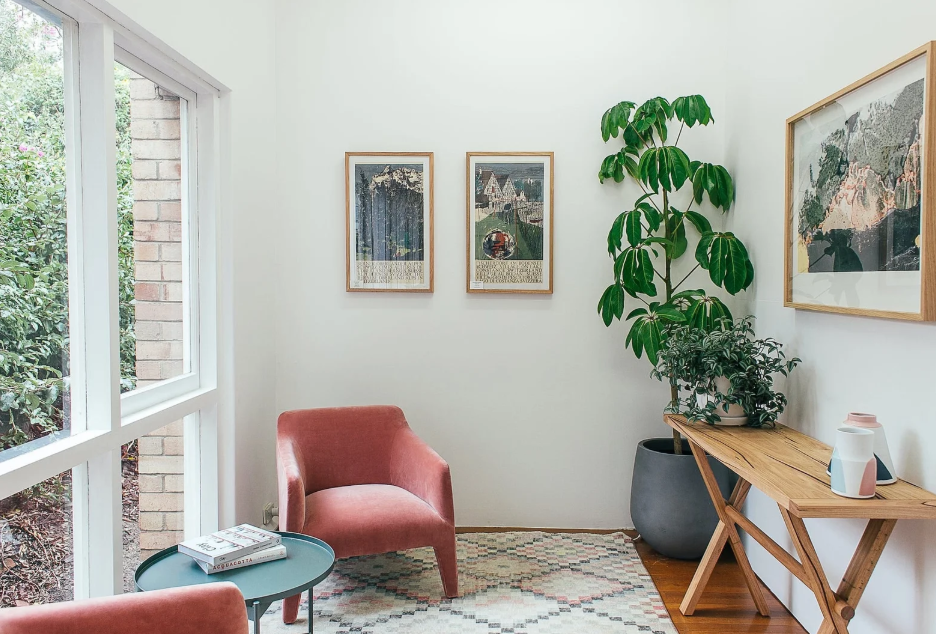
Home design wellness asks a simple question: does a room actually make someone feel better, or does it just photograph well? The Inspired Room has spent years answering that question through decorating, seasonal rituals, and small daily habits rather than a single finished look. Picture someone walking into a cluttered flex room after a stressful week and feeling the stress rise instead of settle; that gap between how a space looks and how it feels is exactly what this philosophy tries to close. The sections below trace how that approach plays out across rooms, seasons, and everyday routines.
The Wellness Philosophy Behind The Inspired Room
At the center of The Inspired Room is the idea that a home should feel like a soft place to land, not another item on a to-do list. The site frames the house as a sanctuary that needs to nurture the people living inside it, not just impress visitors. That means clutter, harsh cleaning products, and excess belongings are treated as real obstacles to calm, not just visual noise. This framing turns home design wellness into something practical, because the goal is a living space that actively supports mood rather than simply decorating over stress.
That philosophy also shows up in attention to healthier household choices, including plant-based cleaning products and tools such as an air purifier and a water purifier. These are not presented as decorating accessories but as part of building an environment that feels safer and calmer to breathe and move through. Removing toxic buildup, paired with thoughtful room design, is what separates this approach from advice that stops at color palettes.
Seasonal Rhythm and the HomeBody Way as Foundational Practices
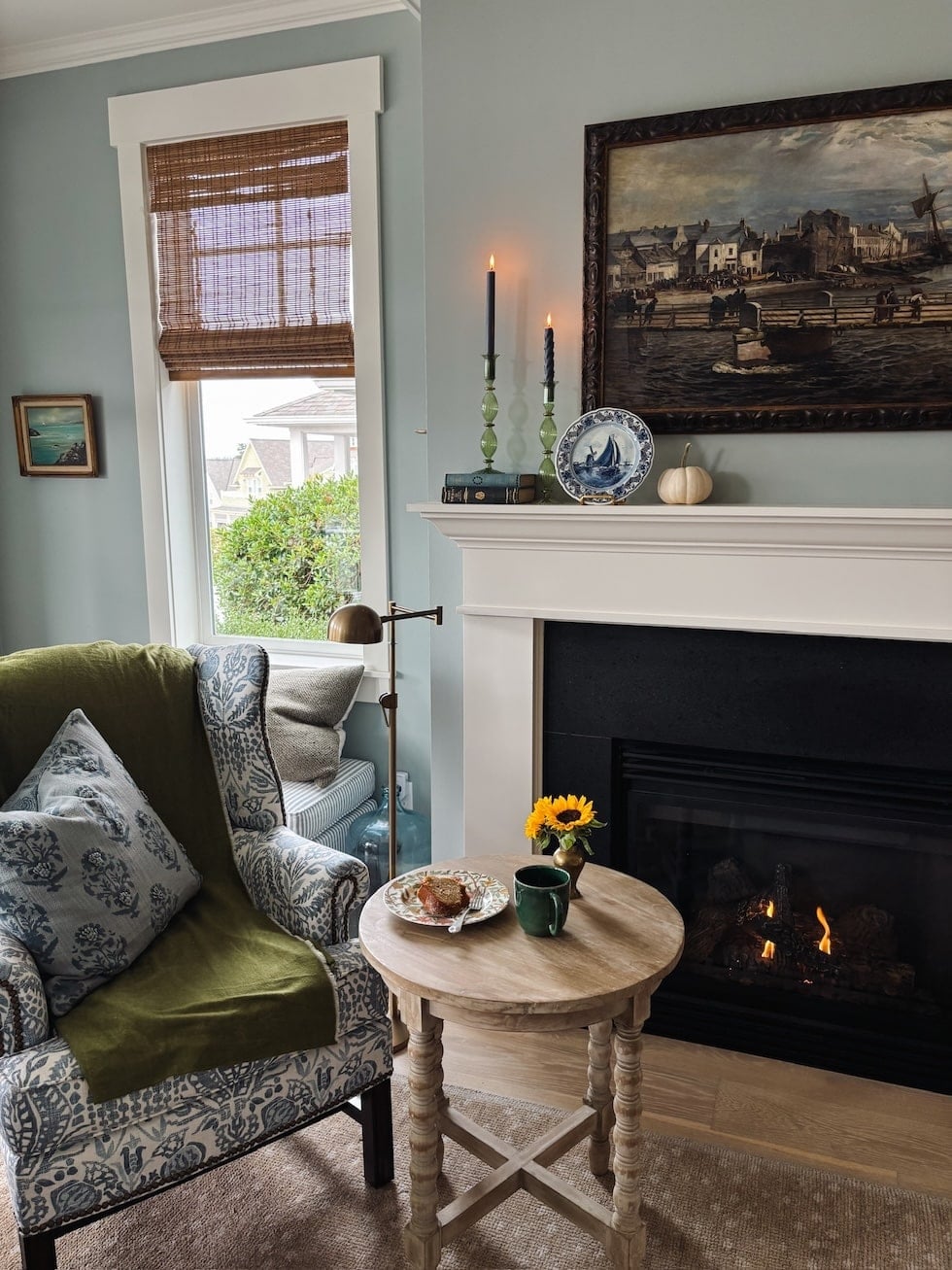
The Inspired Room leans on seasonal rhythm as a structuring idea for home life, rather than treating decorating as a one-time project. Posts move through gentle transitions into fall, puttering as an intentional practice, and small seasonal refreshes instead of full overhauls. This rhythm gives a home design wellness mindset a calendar to live inside, so intention does not fade after the first week of a new look.
The HomeBody House, part of the brand’s community and guidance offerings, reflects this same seasonal approach by giving a structured place to return to habits and routines throughout the year. Resources such as the book Dwelling Well, described as a monthly journal meant to nourish home, body, and soul, reinforce the same cadence. Instead of a single finished state, the home is treated as something tended through small, repeated rituals.
Creating Sanctuary Spaces Through Thoughtful Room Design
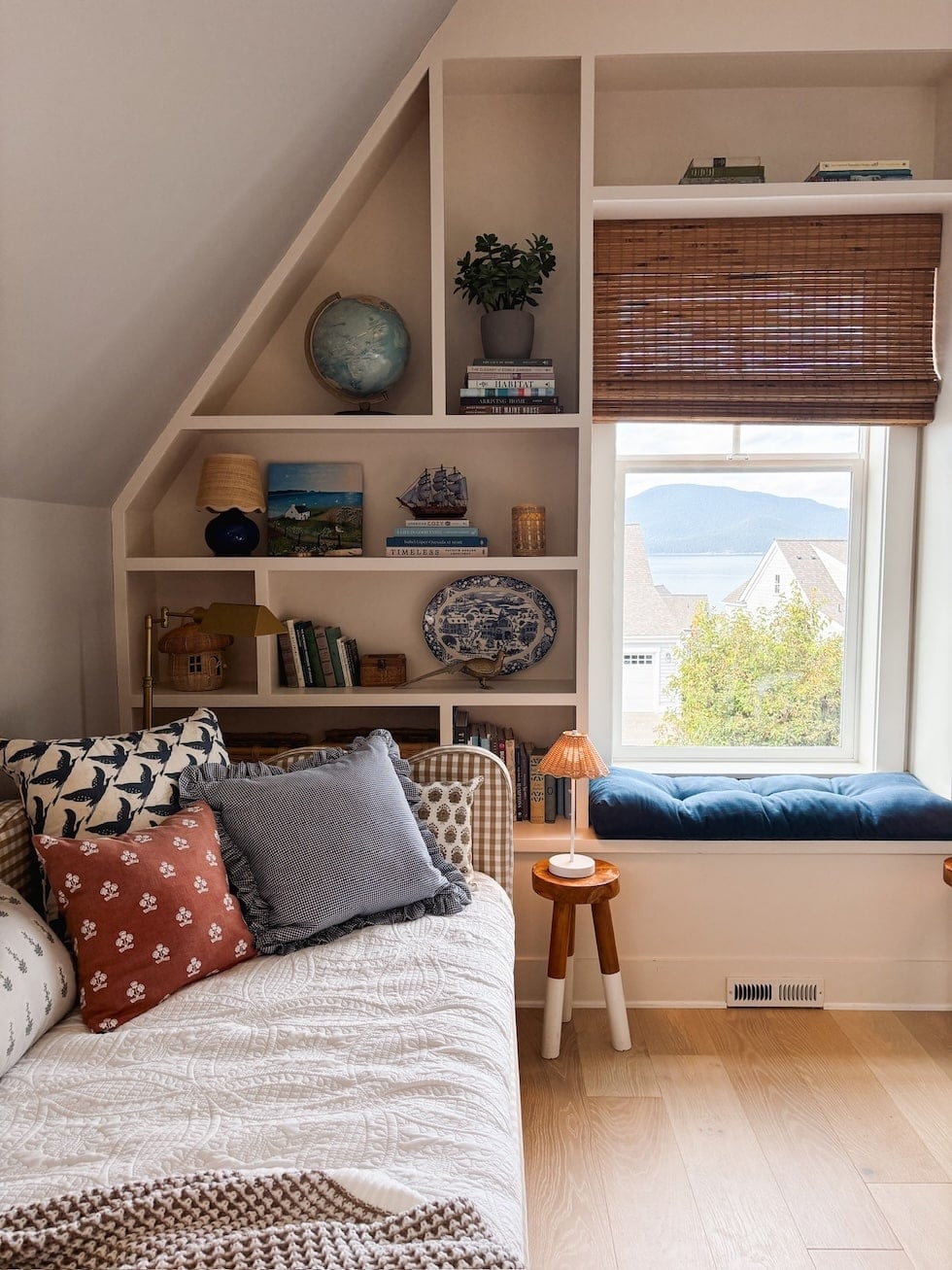
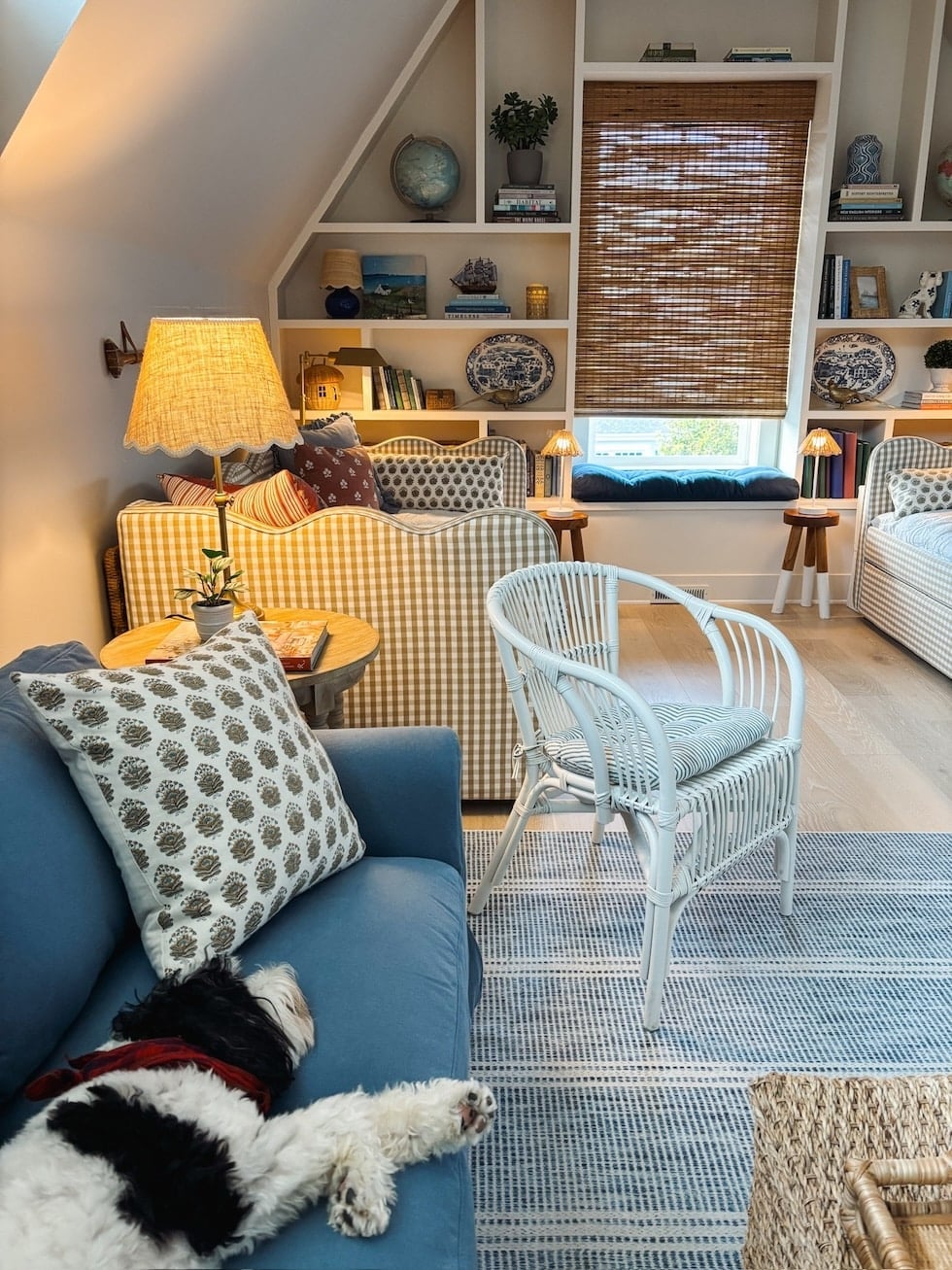
Sanctuary, in this vocabulary, is not reserved for a primary bedroom or a dedicated meditation nook. The Snug, a flex room located over a single car garage in the coastal cottage home featured on the site, functions as a guest room, sitting room, television room, playroom, office, and game room depending on the season of life. That flexibility shows how one space can be redesigned repeatedly to match changing needs instead of staying locked into a single identity.
Other rooms receive similar treatment from The Inspired Room, including a coastal cottage kitchen with documented layout and cabinetry dimensions, a keeping room reworked for a small home, and a coastal bedroom with painted striped walls in specific Benjamin Moore and Sherwin-Williams colors. Cordless lamps appear repeatedly as a small, practical detail that softens mornings and evenings without rewiring a room. These specifics matter because home design wellness gets demonstrated through real, lived-in choices rather than abstract styling advice.
The Fall Nesting Retreat: Seasonal Intention in Practice
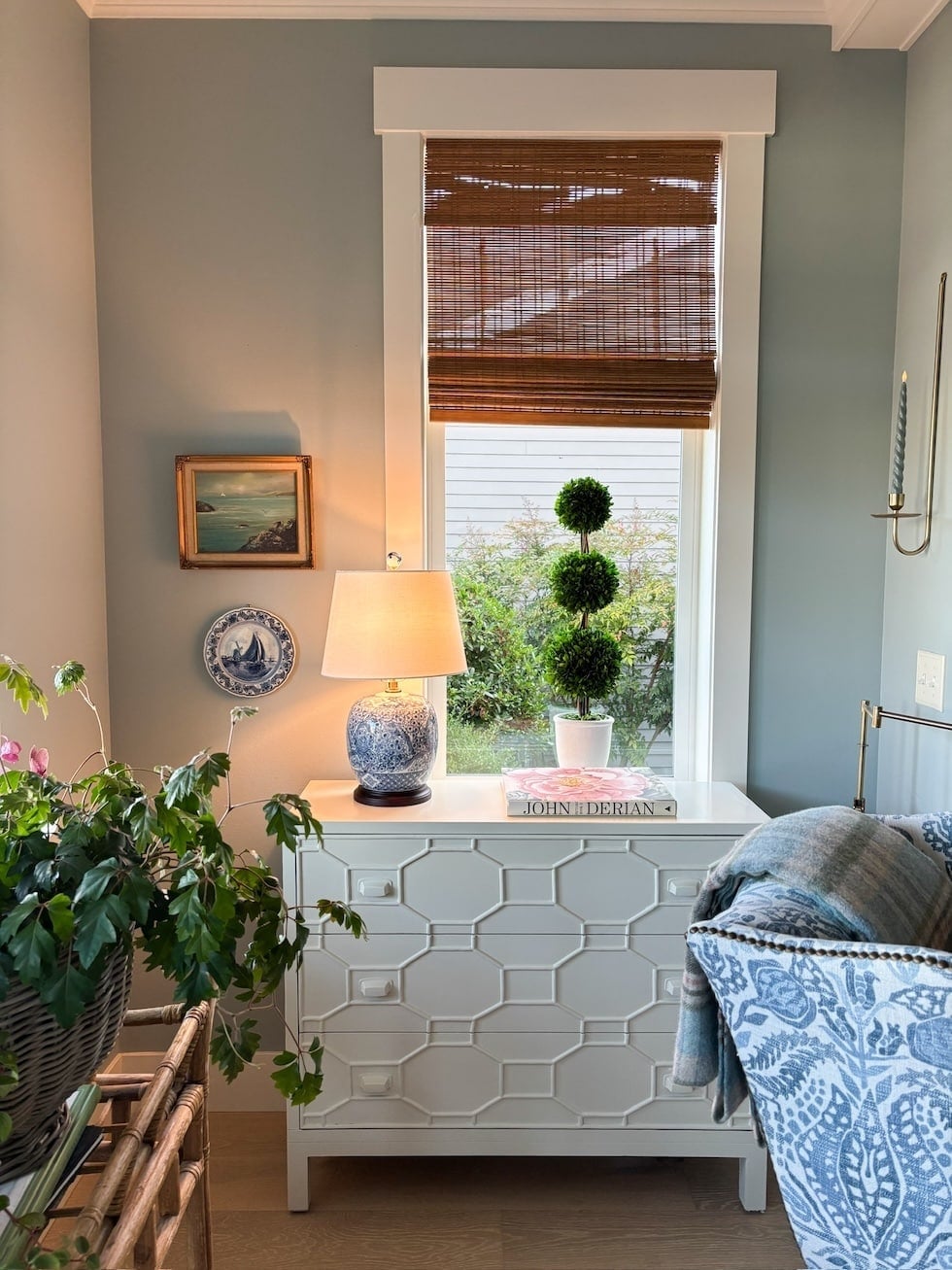
The Fall Nesting Retreat, mentioned alongside cozy updates in the Snug and new oars added to a wall, shows how a seasonal theme becomes a concrete set of changes rather than a mood board. The Inspired Room treats fall not as a color scheme to apply but as a short list of adjustments, a swapped lamp, a new textile, a tidied corner, that signal a shift in pace to the people living there. Each small change acts as a cue that the season, and the way the household gathers and rests, has moved forward.
What makes the retreat worth noting is how modest the actual changes are compared to the shift in feeling they aim for. A gingham daybed or a cordless lamp on a coffee cabinet does not rebuild a room, yet it marks a transition clearly enough that the household notices the change. That gap between small effort and real atmospheric shift is the quiet argument running through the brand’s seasonal content.
Connecting Everyday Spaces to Emotional Wellbeing
The link between a redesigned corner and an actual change in mood is not automatic, and the brand does not pretend otherwise. A decluttered flex room reduces visual decisions a person has to make before they can relax in it, and a swapped harsh cleaner for a plant-based one removes a small daily worry about what is being breathed in. Neither change is dramatic on its own, but together they shrink the number of small frictions a home can quietly produce. That is the mechanism this philosophy keeps returning to: wellbeing built from the reduction of tiny daily irritants, not from a single transformative purchase.
This is also why The Inspired Room keeps circling back to the same short list of moves across different rooms and seasons rather than inventing new ones each time.
- Clear visual clutter from a room before adding new decor, so the eye has somewhere restful to land.
- Favor plant-based cleaning products and air or water purification tools over harsh chemical alternatives.
- Let a single flexible room change function with the season rather than forcing one fixed layout year-round.
- Use small, low-effort updates such as a cordless lamp or a new textile to mark seasonal transitions.
- Choose paint colors and finishes with intention, documenting exact shades so changes feel considered rather than random.
- Return to the same spaces repeatedly through small rituals instead of treating decorating as a finished, one-time project.
None of this requires a full renovation, and that is largely the point. Home design wellness, as this brand frames it, lives in the accumulation of small, repeatable choices rather than one dramatic reveal.