Athletic footwear and apparel sits at the intersection of sport, fashion, and daily comfort, covering everything from running shoes to training gear to cold-weather layers. nike operates as one of the most recognisable names in this space, offering footwear, apparel, and accessories for adults and children alike. This article looks at how the brand structures its ranges, the design philosophy behind its best-known shoes, and the way it presents styling guidance across its site.
What Athletic Footwear and Apparel Encompasses
The category of athletic footwear and apparel spans far more than shoes built for a single sport. It includes training shoes, running shoes, football boots, shorts, hoodies, fleece trousers, and cold-weather pieces designed to move with the body. Accessories such as socks and bags often round out the category, giving shoppers a full kit rather than a single item. nike’s own site reflects this breadth, listing shoes for men, women, and children alongside shorts, fleece, and seasonal essentials. Winter essentials receive particular emphasis, with the brand grouping cold-weather clothing as a distinct collection rather than scattering individual pieces across broader categories.
Nike’s Core Running and Training Shoe Lines
Within footwear, nike maintains several named lines that anchor its running and training offer. The Vomero and Motiva appear among its running shoe listings, while the Hybrid RN is presented as a shoe built for varied training sessions rather than one narrow use. The P-6000 and Initiator represent another strand of the lineup, styles that sit closer to everyday wear while still carrying running shoe design cues. Shoes are also listed by colourway, such as black running shoes and white running shoes, which suggests the catalogue is organised as much by look as by function. The Tatum 5 adds another dimension to the brand’s footwear range, described as offering secure hold and explosive lift-offs for performance-focused athletes.
Nike Apparel: From Tech Fleece to Performance Wear
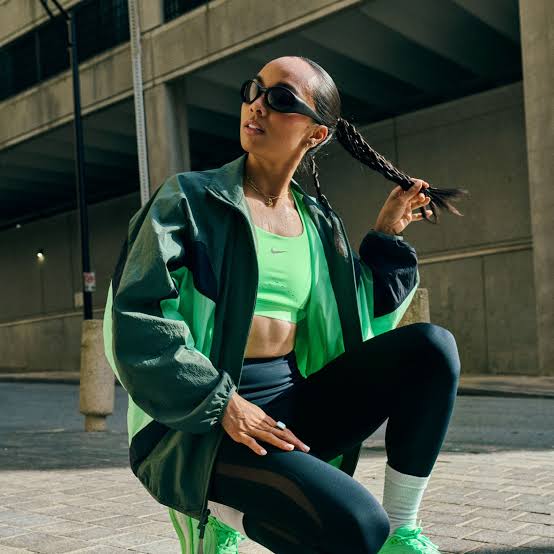
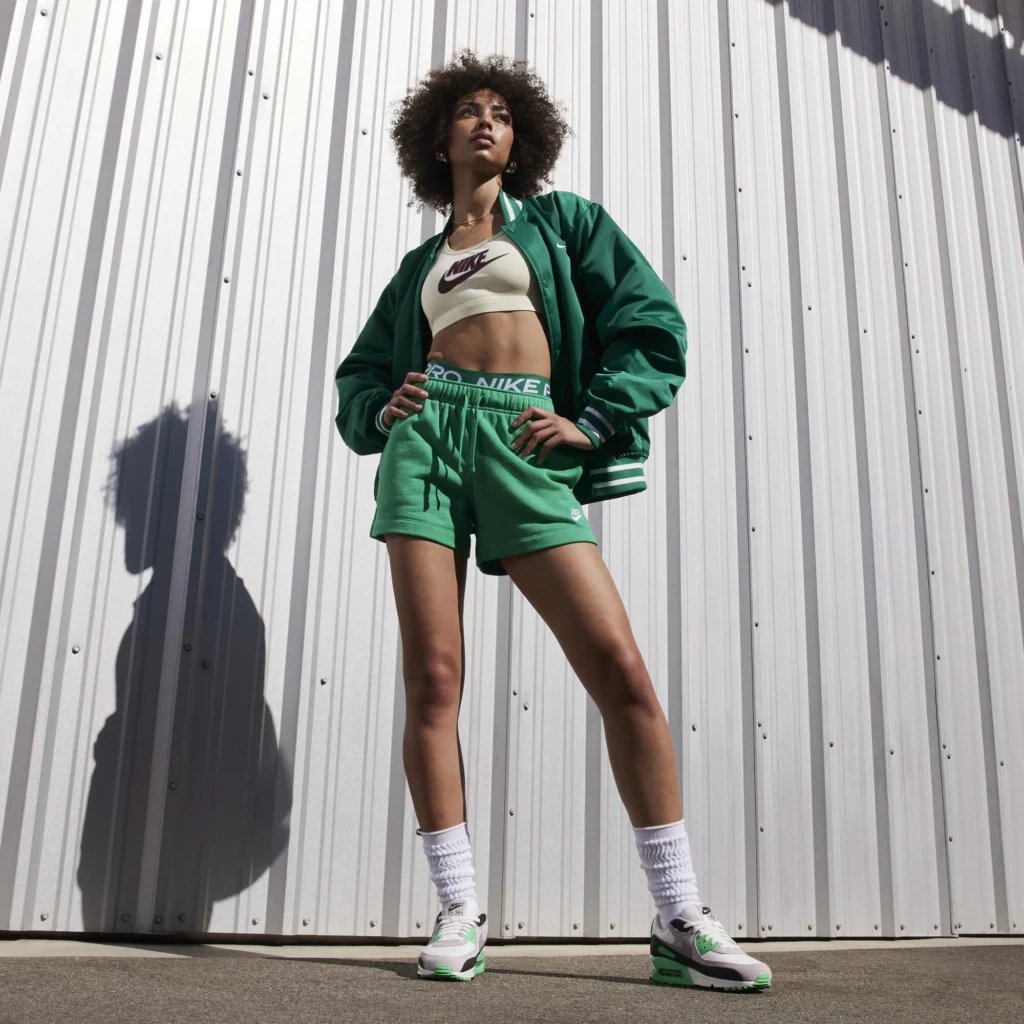
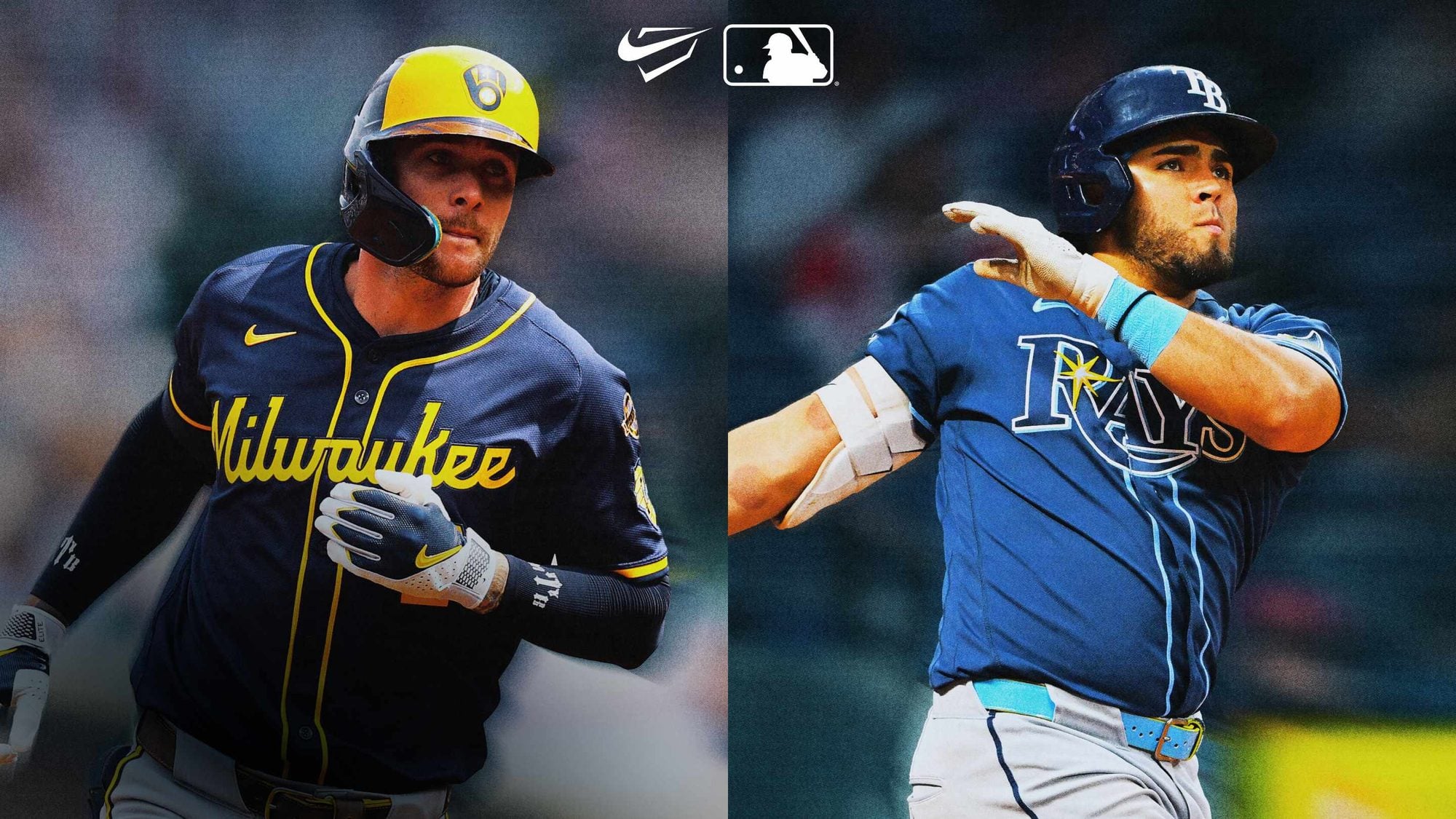
On the apparel side, Tech Fleece is one of the more prominent named ranges, appearing both as standalone fleece pieces and as tech fleece training trousers. Yoga trousers and running shorts also feature as distinct product lines rather than generic catalogue entries. Cold-weather clothing is grouped separately, pointing to seasonal collections built around winter essentials that extend beyond individual garments to coordinated seasonal strategies. Alongside these, apparel from the brand extends into football-specific ranges, including kits tied to football clubs and a project described as nike United, framed as created by athletes. The NikeSKIMS collaboration further expands the apparel offering, presenting looks designed for wearing throughout the day rather than purely athletic contexts.
Iconic Nike Silhouettes and Design Legacy
Certain shoe names carry a legacy that goes beyond a single season. The Cortez and Shox are both listed among it’s recognisable silhouettes, names that have persisted across the catalogue rather than disappearing after a single release cycle. Waffle-soled sneakers form another named grouping, a design detail referenced directly in product listings. The Moon Shoe is presented separately with a tagline framing it as made for life in orbit, signalling that some releases lean more into design storytelling than pure performance claims. The Tatum 5 and P-6000 models showcase how nike blends heritage design language with contemporary performance requirements. A customisation platform also appears in the listings, built around the idea of constructing a personalised shoe through nike By You rather than selecting a fixed design from the shelf.
Nike’s Approach to Styling and Product Guidance
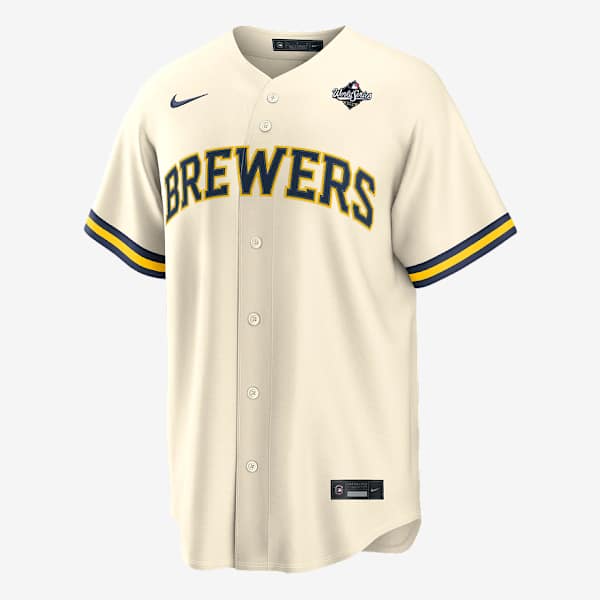
The site groups products in ways that go beyond simple category filters. Shoes appear sorted by colour, by weather suitability, and by occasion, such as black shoes for girls or shoes built for cold weather. Campaign sections frame certain releases around moments and personas rather than technical specifications alone. This suggests the brand treats styling guidance as part of the product presentation itself, pairing specific shoes and apparel with a described context or occasion. Collections are frequently organised around lifestyle moments, from photo-finish styling looks to seasonal offerings that acknowledge the rhythm of athletic and everyday wear across the year.
Beyond footwear and clothing, the catalogue is organised into a number of distinct categories and collections spanning several product groups, with each structured to help shoppers navigate the range by sport, season, or personal style.
- Running and training shoes, including named lines such as the Vomero, Motiva, P-6000, Initiator, and Hybrid RN.
- Lifestyle and heritage silhouettes, including the Cortez, Shox, Moon Shoe, Tatum 5, and waffle-sole sneakers.
- Apparel built around Tech Fleece, yoga trousers, running shorts, cold-weather pieces, and NikeSKIMS collaboration looks.
- Football-specific ranges tied to clubs and the Nike United project created by athletes.
- Footwear for children, grouped separately from adult sizing.
- Customisation and gifting options, including the Nike By You platform for constructing personalised shoes.
On the service side, help pages note that nike members and guests can view available purchasing options during checkout. The brand shows an estimated delivery date for each product in the cart, based on the chosen shipping method, delivery address, and the location of the item. This points to delivery timing that can vary by product rather than following one fixed schedule across the whole catalogue. Shoppers can see these timings before finalising their order, allowing for informed decisions about when items will arrive.
nike‘s approach reflects a brand that organises athletic footwear and apparel not as a fixed range but as an evolving collection shaped by sport, season, collaboration, and individual customisation.