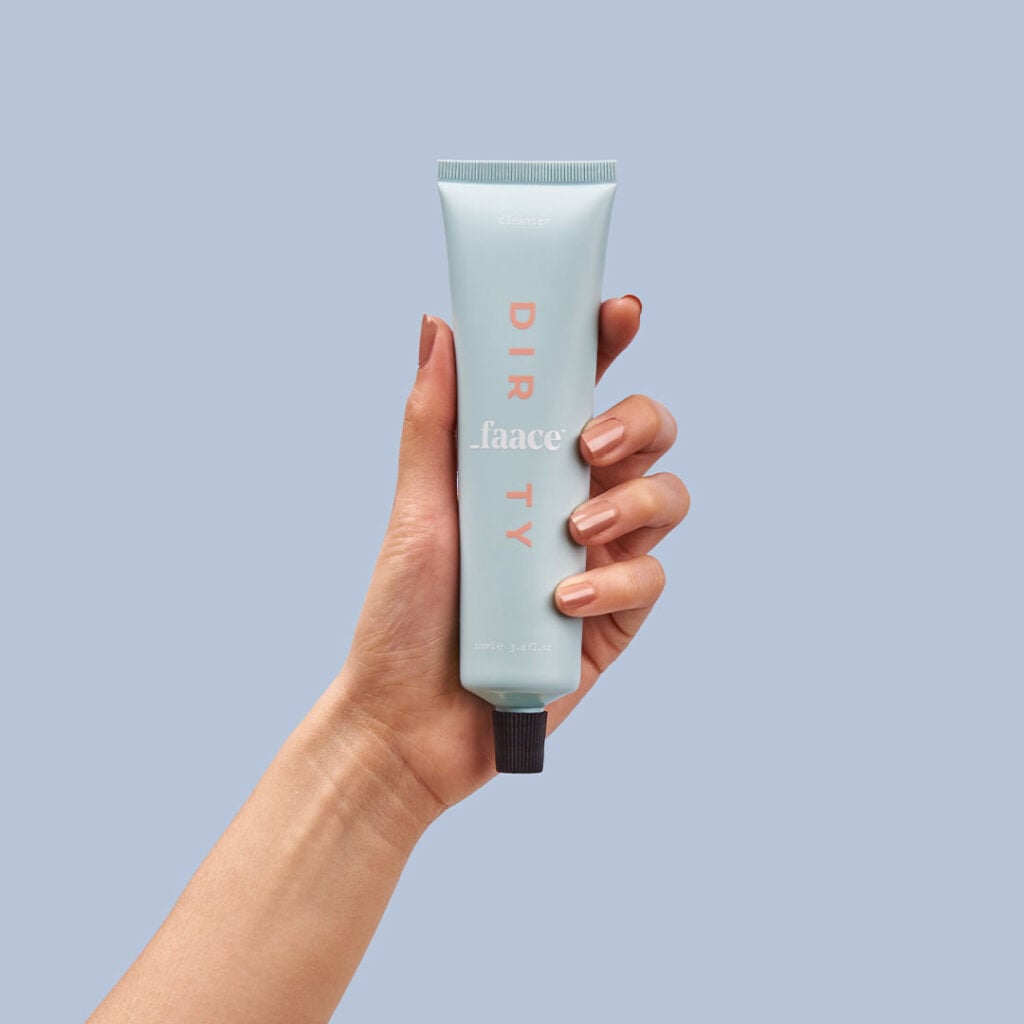
Hormonal skin shifts week to week, yet most routines still treat the face as a static surface. That mismatch is behind many of the hormonal skincare mistakes people repeat without noticing. Breakouts, dryness, and sensitivity often get the same cleanser and the same cream, regardless of what stage the cycle is actually in.
Myth: One Cleanser Fits All Hormonal Skin States
A common assumption is that a single cleanser can handle oily days, dry days, and flare-up days equally well. Skin chemistry does not stay fixed across a cycle, so a formula built for congestion will not necessarily suit a dehydrated or reactive complexion. Treating cleansing as a one-size task is one of the more persistent hormonal skincare mistakes, since it ignores how differently skin behaves from one week to the next.
Faace addresses this by offering separate cleansers built around distinct skin states rather than a single universal wash. That distinction matters more than it might first appear, because what lifts away congestion is not always what calms irritation.
The Dirty Faace and Dull Faace Difference: Cleansing Versus Clarifying
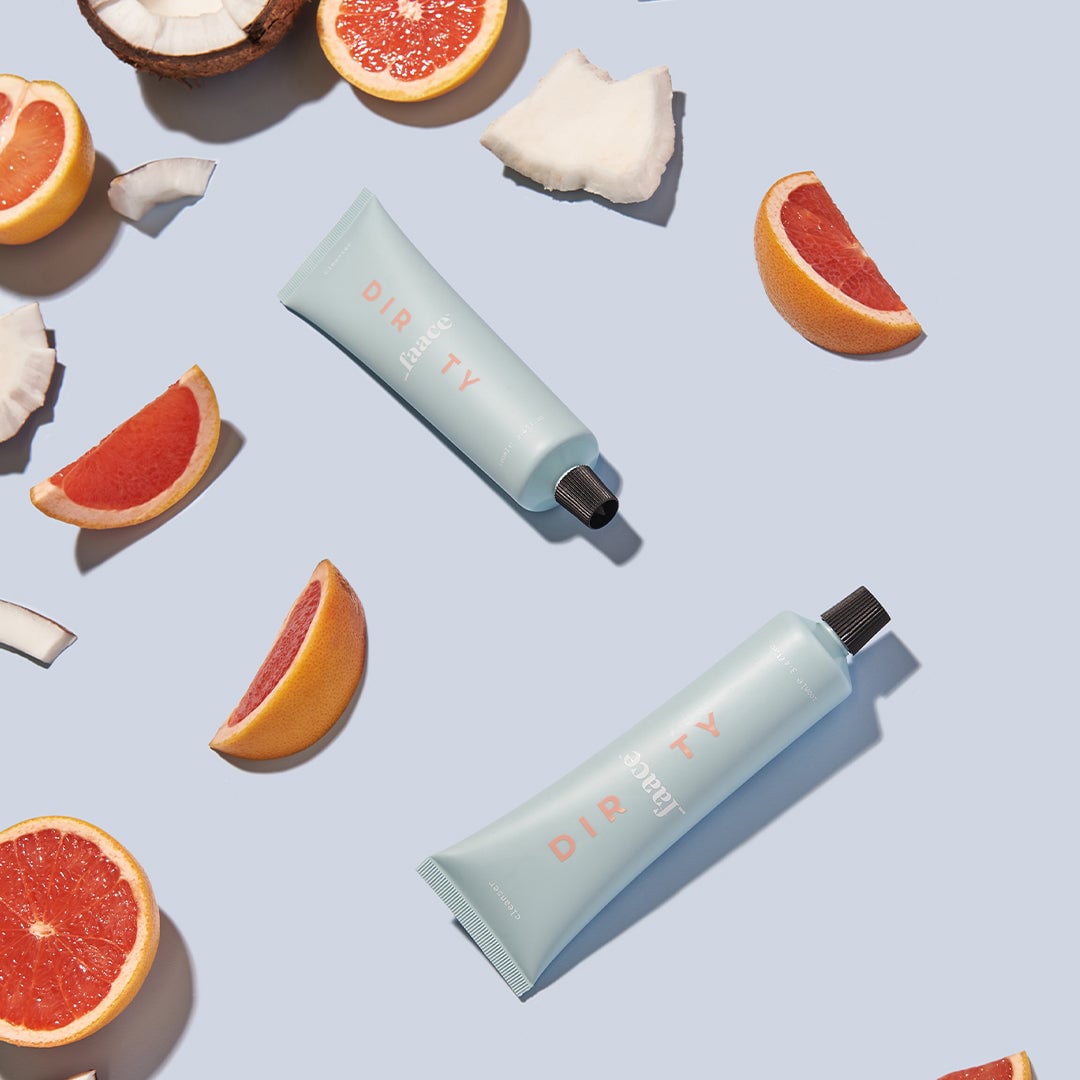
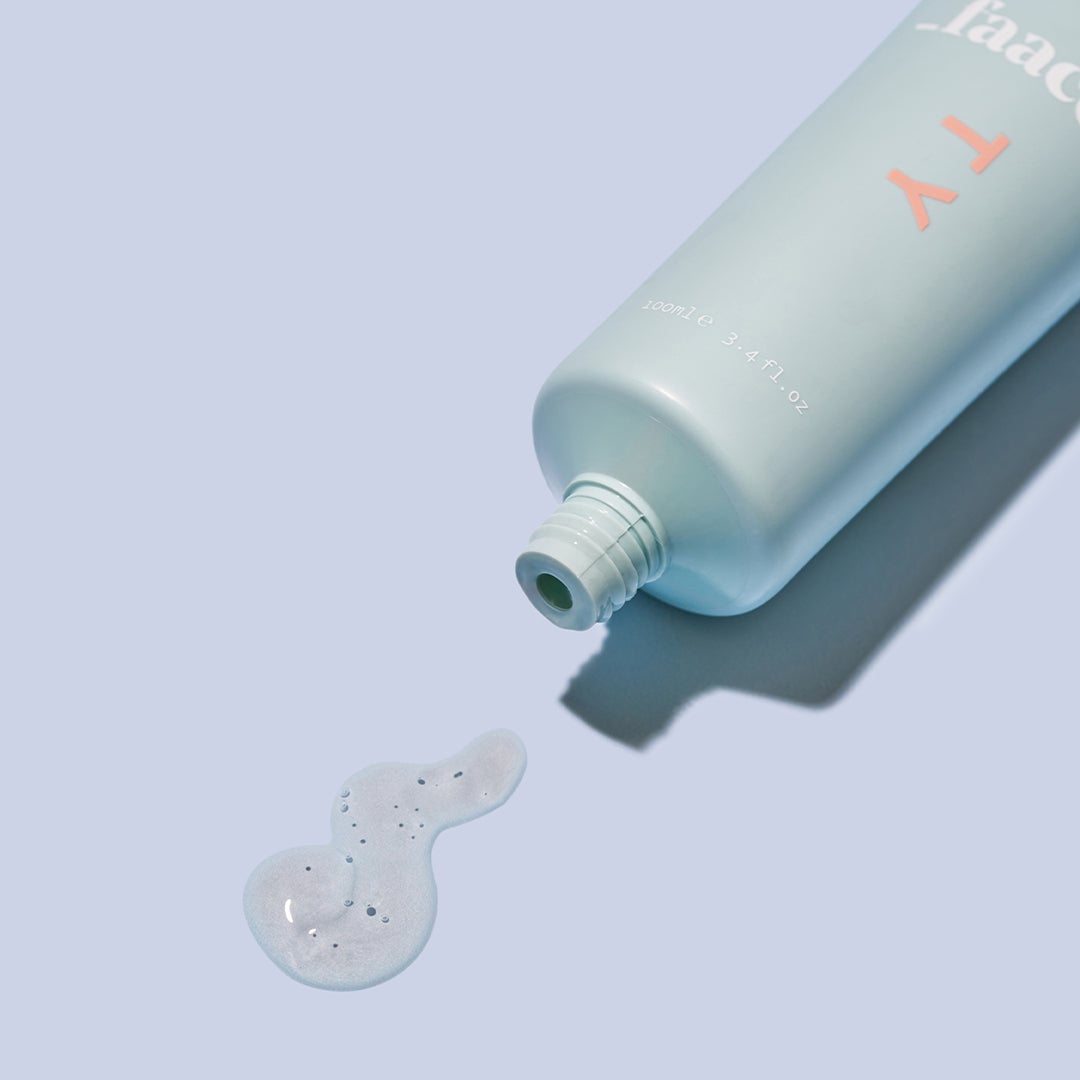
Dirty Faace Gel Cleanser is formulated as a daily reset, a creamy gel that clears away make-up, SPF, pollution, and daily build-up while also soothing and moisturising. It is positioned as an everyday step rather than an occasional treatment, meant to leave skin clean, light, and soft.
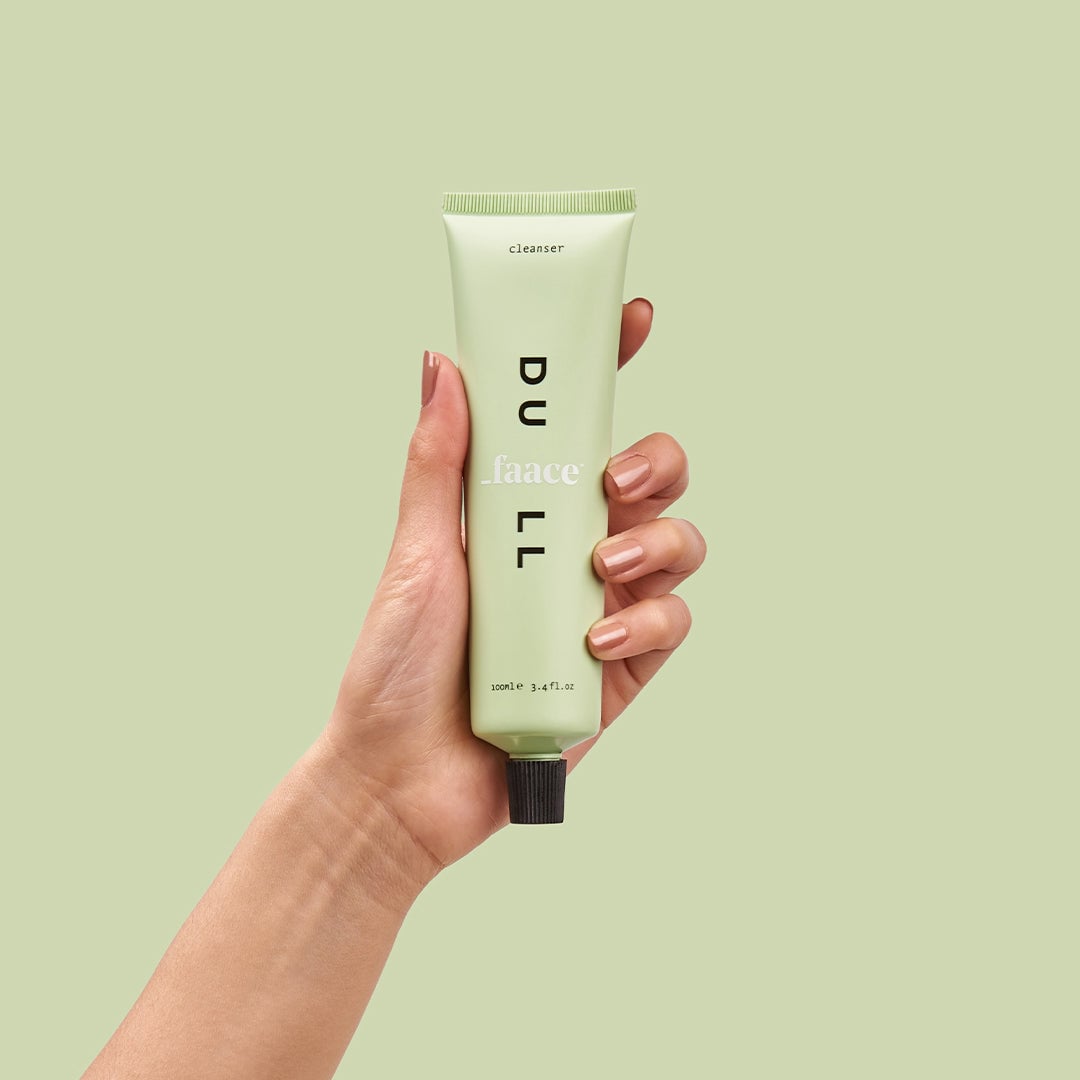
Dull Faace Creamy Cleanser works differently. It doubles as a daily cleanser and a weekly mask, drawing out grime lodged in pores and loosening dead skin cells that dull the complexion. Using it only as a daily wash, or only as a mask, misses half of what it is designed to do, which is one of the smaller but easily overlooked hormonal skincare mistakes.
When to Use Period Faace Face Mask Versus Stress Faace Moisturiser
Period Faace Face Mask is built specifically for the hormonal fallout around menstruation, combining zinc, hyaluronic acid, clary sage, white willow, and green tea. It targets shine, dryness, and the breakouts that tend to cluster in that part of the cycle, aiming to rebalance rather than strip the skin.
Stress Faace Moisturiser is a different tool for a different trigger. Described as an all-in-one daily cream, it contains neurophroline, marula oil, and niacinamide, and is formulated to help counter the visible effects of stress on skin tone and texture within two hours. Reaching for the period-focused mask during a stressful stretch, or the stress moisturiser during a hormonal flare tied to the cycle, means missing the ingredients actually suited to that trigger.
Misconception: Heavier Creams Are Always Better for Hormonal Flare-Ups
There is a widespread belief that thicker, richer creams automatically calm irritated or flaring skin better than lighter formulas. That is not necessarily true, since heaviness alone does not address the specific cause of a flare-up, whether that is hormonal breakouts, barrier damage, or dehydration. Layering on dense creams without matching the formula to the actual trigger is one of the hormonal skincare mistakes that quietly undermines otherwise sensible routines.
Tired Faace Face Mask, for instance, is a lightweight gel rather than a heavy cream, yet it is built to perk up dull skin using caffeine, aloe vera, vegetable glycerin, vitamin C, lactic acid, frankincense, pomegranate, and rosehip. Its texture is intentionally light, which shows that weight and effectiveness are not the same thing in a formula like this.
Menopause Faace Daily Face Cream and the Reality of Perimenopause Skin
Perimenopause and menopause bring thinner, weaker, less elastic skin, and treating that stage with a generic moisturiser overlooks what is actually changing underneath. Menopause Faace Daily Face Cream is formulated with collagen-boosting, hydrating, and anti-inflammatory ingredients, including a rosewater base along with carrot seed and pomegranate oil, to support skin through that transition. It is designed for use during the day or overnight, which allows it to fit into a routine without requiring an extra step.
Assuming any hydrating cream will do during perimenopause is another of the hormonal skincare mistakes worth naming directly. Skin at that stage is described as needing support for circulation and elasticity, not just surface moisture, so a formula built around those specific ingredients serves a different purpose than a standard daily cream.
Skipping Steps Versus Overcomplicating: The Fuss-Free Skincare Balance
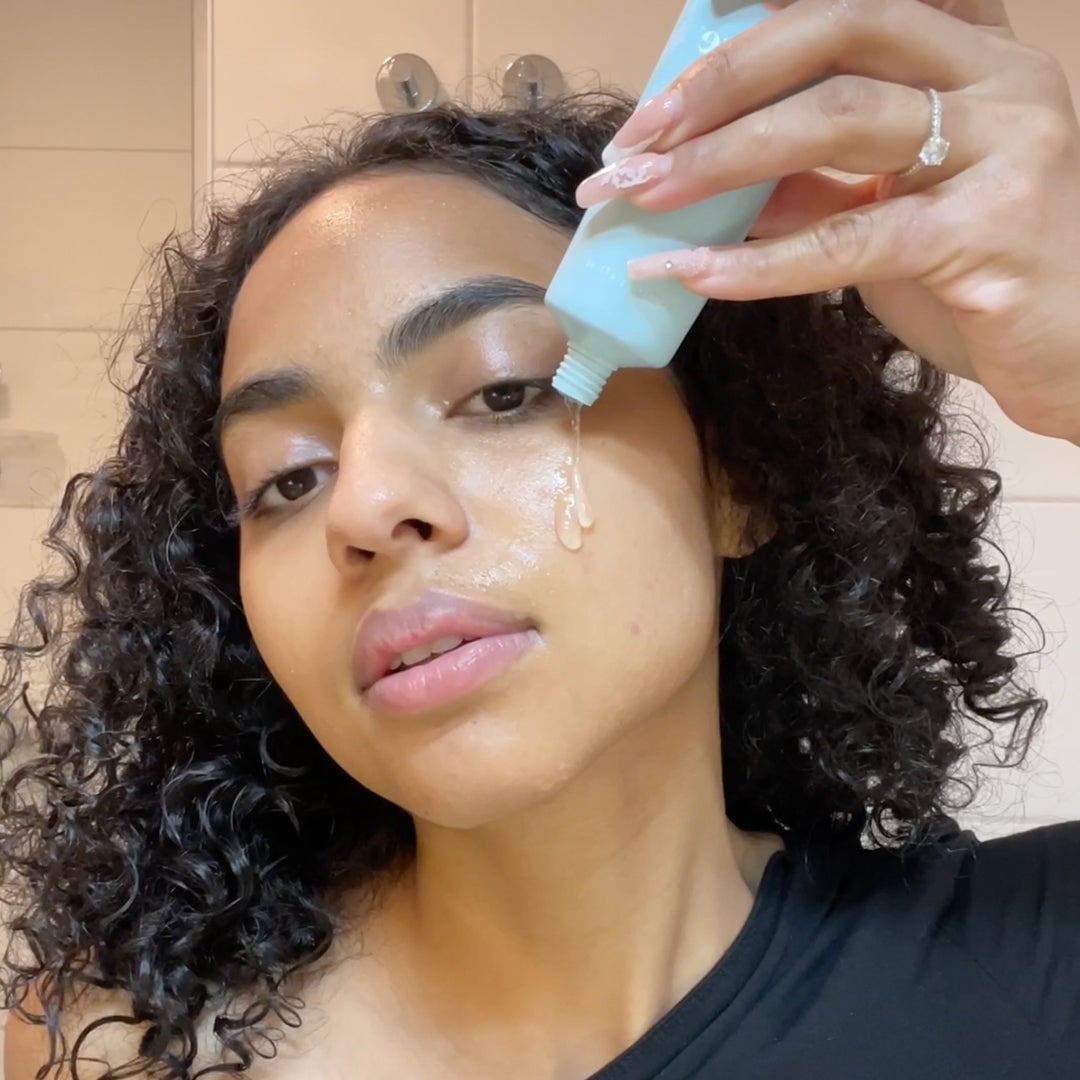
Two opposite habits cause similar problems. Skipping cleansing or treatment steps leaves hormonal triggers unaddressed, while stacking too many products at once can overwhelm skin that is already reactive. Faace is positioned around a fuss-free approach, built on the idea that hormonal skin is complex even if the routine addressing it does not need to be.
The following points summarise where these habits most often show up.
- Using a single cleanser for every skin state ignores how oil, dryness, and sensitivity shift across a cycle.
- Applying a heavy cream to a hormonal flare-up without checking its ingredients can leave the actual trigger unaddressed.
- Reaching for a period-focused mask during a stress-related flare, or vice versa, wastes the formula’s specific strengths.
- Treating a dual-purpose cleanser only as a daily wash skips its weekly mask function entirely.
- Assuming any moisturiser suits perimenopausal skin overlooks the collagen and elasticity support that stage actually needs.
- Overloading a routine with excess steps can irritate skin that is already sensitised by hormonal change.
Matching a product to the actual trigger, rather than defaulting to habit, is the thread running through all of these points. That is where cycle-aware formulations differ from generic, multi-purpose routines that treat every flare-up the same way.
Hormonal skin rarely asks for more products. It asks for the right one at the right moment.