Planning a trip with children often means balancing ambition with logistics, which is exactly where a dedicated resource can help. Family adventure travel can feel overwhelming without a clear structure to follow, especially for a first multi-day trip. Earth Trekkers offers a starting point built from years of firsthand travel rather than a scattered collection of blog posts.
What Earth Trekkers Does: Travel Content and Resources
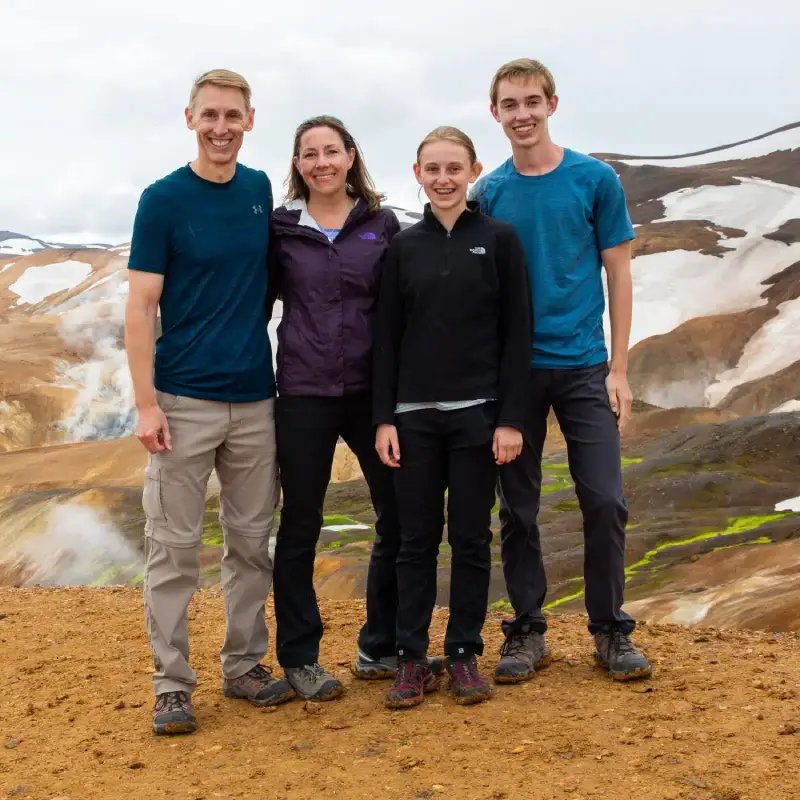
Earth Trekkers was built by Julie, Tim, Tyler, and Kara, a family who spent 13 months traveling around the world and has continued exploring ever since. That background shapes the tone of the site, which reads less like a marketing brochure and more like notes passed along from people who have actually done the trip. The content spans destination write-ups, multi-country itineraries, national park guides, and hiking breakdowns, all organized so a new visitor can find a starting point quickly, and together these pieces form a fairly complete map for anyone newer to family adventure travel.
Because the founders continue to travel extensively, the library keeps expanding with new destinations and updated route details. This matters for families researching unfamiliar regions, since outdated advice can derail a trip before it starts. Earth Trekkers positions itself as a place where firsthand experience, not secondhand research, drives the content.
Destination Guides and Itineraries: How Earth Trekkers Structures Trip Planning

The destination section allows a traveler to pick a country and move directly into articles and sample itineraries built around it. This structure suits family adventure travel planning well, since it avoids the overwhelm of an unstructured search. Separate from single-country guides, the itineraries section covers longer trips that span multiple countries, such as a three-month route through Myanmar, Thailand, Laos, Cambodia, and Vietnam, or a ten-day loop through Budapest, Vienna, and Prague.
Earth Trekkers also breaks itineraries down by region, including Europe, North America, Central and South America, Oceania, Asia, and the Middle East. That regional split helps a traveler compare, for example, a ten-day Italy itinerary against a two-week route through Madrid, Barcelona, Seville, and Granada. In addition, several guides explicitly cover timeframes, so a one-week trip and a one-month trip are treated as distinct planning problems rather than variations of the same list.
National Parks Guides in the Earth Trekkers Resource Library
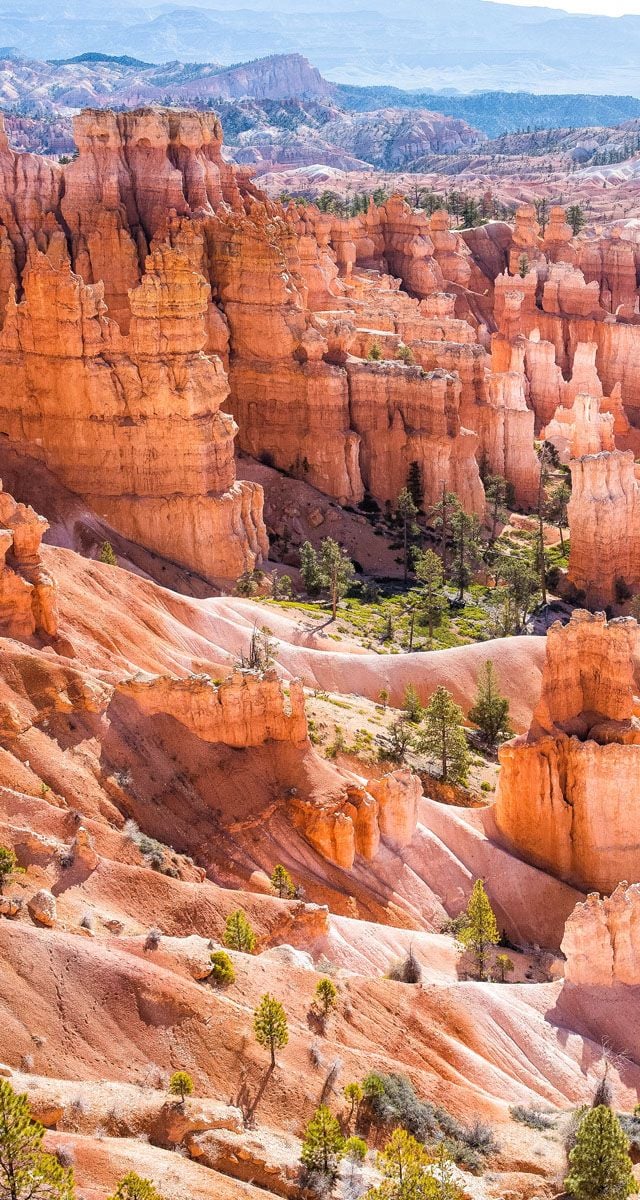
National parks make up a significant share of the content, with detailed guides aimed at reaching each of the 64 National Parks referenced on the site. These guides typically include an overview of a park, suggested itineraries, and links to more specific hiking or sightseeing articles within it. The Utah’s Mighty 5 guide is one example, covering Zion, Bryce Canyon, Capitol Reef, Arches, and Canyonlands as a seven- to ten-day road trip through all five parks.
That guide also draws on repeated visits, including hikes along the full length of the Zion Narrows, a drive along the White Rim Road in Canyonlands, and multiple trips to Delicate Arch in Arches National Park. For families weighing a national park road trip as an introduction to travel, this kind of repeated, specific detail clarifies what a realistic schedule looks like. The broader national parks section also includes a free printable checklist tied to a list of all 64 parks.
Hiking and Adventure Experiences Across the Earth Trekkers Collection
Hiking content ranges from short day hikes to multi-day treks, with guides written to reflect actual distances, elevation, and trail conditions rather than general descriptions. The Dolomites section, for instance, includes guides ranging from easy walks to more challenging routes, while Iceland content covers hikes like the Fimmvörðuháls route, a day-long trek passing 26 waterfalls, one volcano, and two glaciers. These specifics give a clearer picture than a vague claim about scenic trails.
A separate roundup lists 20 of the best day hikes, paired with maps and photos for route reference before a trip. That combination of practical trail data and visual reference is a recurring pattern across the hiking content, whether the destination is Utah, Iceland, or the Dolomites. For families newer to hiking together, this level of detail reduces some of the guesswork around trail selection.
Travel Inspiration: Choosing the Next Family Adventure Travel Destination

Beyond logistics, the site includes a travel inspiration section built for the earlier stage of planning, when a destination has not been chosen yet. This includes roundups like 30 beautiful places to visit in Europe, fairytale destinations described as magical places to visit, and a list of ten countries the founders would travel to again out of 74 countries visited. These lists function as a browsing tool rather than a finished plan, meant to narrow a long list of options into a shorter one.
The inspiration content also covers road trips specifically, including a guide to 18 ideas for a USA road trip and a dedicated Utah road trip itinerary through its five national parks. For a traveler who knows an active, outdoor-oriented trip is wanted but has not settled on a region, this section narrows the field before the destination guides and itineraries take over. Earth Trekkers links these layers together, moving from early inspiration toward a finished day-by-day plan.
- Destination guides organized by country, pairing background articles with sample itineraries for that specific place.
- Multi-country itineraries covering longer trips, such as a three-month Southeast Asia route or a ten-day central Europe loop.
- National park guides built around reaching each of the 64 National Parks, including road trip breakdowns like Utah’s Mighty 5.
- Hiking route details covering day hikes and multi-day treks, complete with distances, trail conditions, and photos.
- Travel inspiration collections, including bucket list roundups, road trip ideas, and lists of favorite countries revisited.
The value of this kind of family adventure travel resource lies less in any single article and more in how the pieces connect from early browsing to a finished itinerary. Each section feeds the next, turning a loose idea into a dated, specific plan.