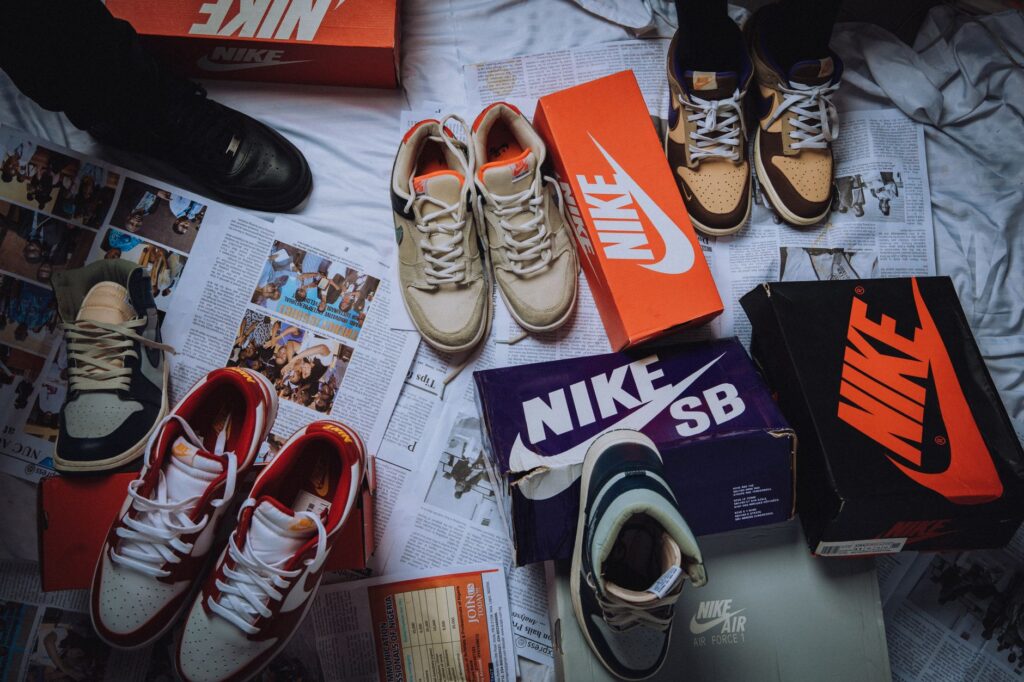
Streetwear began in skateparks and hip-hop communities as an authentic expression of youth culture, a visual language spoken by people with limited resources but unlimited creativity. Today, the same aesthetics dominate luxury fashion runways, shape how people present themselves globally and influence everything from furniture design to architecture. This transformation reveals something fundamental about culture, that style emerging from genuine communities often holds more power than anything designed by committee in corporate towers. Hypebeast chronicles this evolution, documenting how underground movements became mainstream forces reshaping global aesthetics and consumer behavior.
The Origins of Authentic Streetwear
Streetwear didn’t begin as a fashion category. It emerged from specific places, Tokyo’s Harajuku district, New York City’s skateboard and hip-hop scenes, Los Angeles’s emerging rap culture, London’s club nights. Young people created distinctive looks by mixing thrifted vintage pieces, appropriating workwear and athletic gear for new purposes and innovating with limited budgets. Hypebeast understands this genealogy deeply. The platform recognizes that contemporary streetwear heritage traces directly to these communities, that authenticity derives from this history of grassroots creative expression rather than top-down fashion directives.
The aesthetic crystallized around specific principles functionality married with statement-making, comfort prioritized alongside visual impact and an emphasis on brand collaboration and limited releases. Brands emerging from these communities, Supreme, Stüssy, A Bathing Ape, succeeded not through traditional advertising but through genuine community engagement and respect earned through consistent quality and cultural participation.
The Mechanics of Hype and Desire
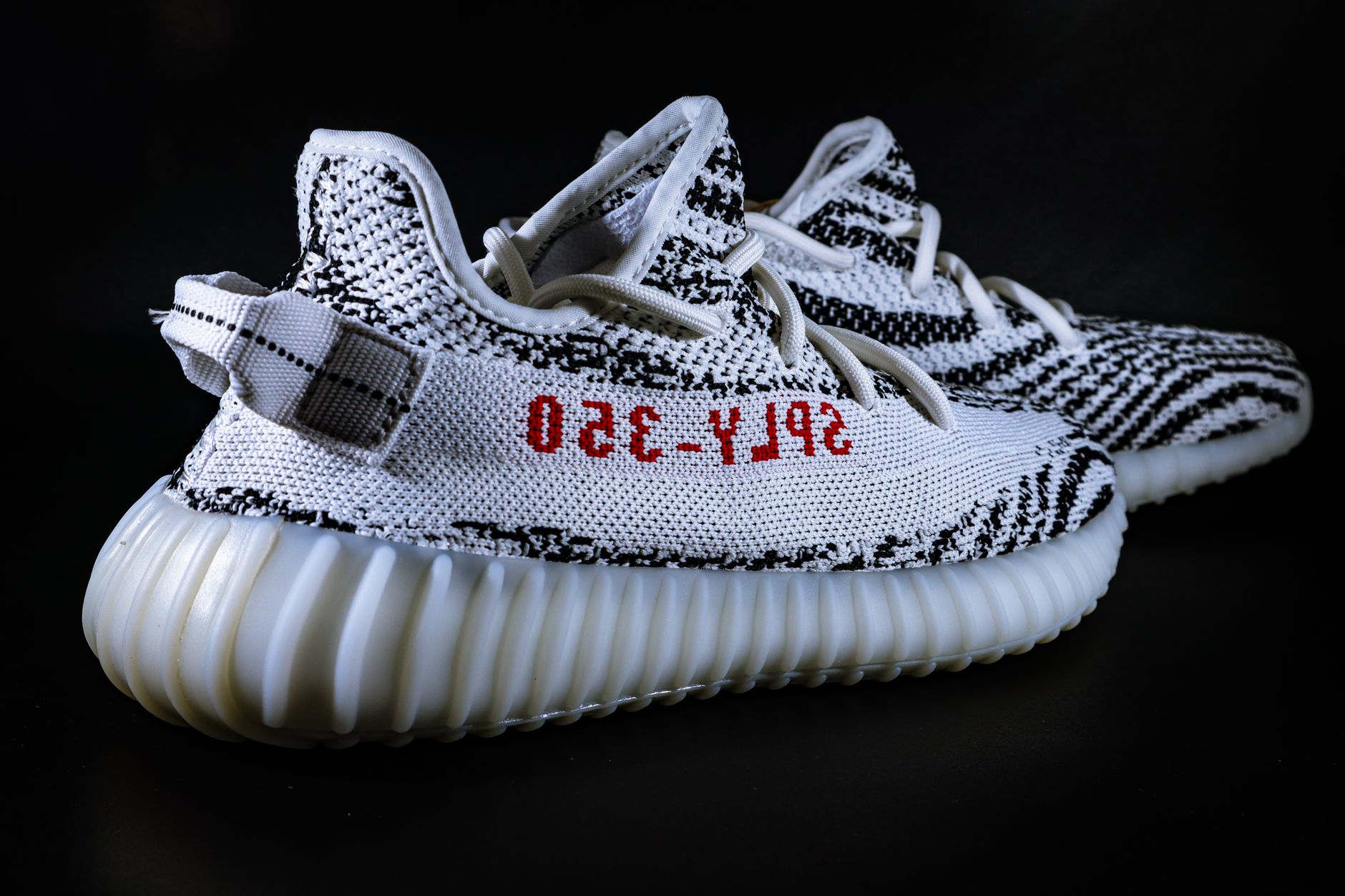
Modern hype culture operates through deliberate scarcity and strategic collaboration. A fashion drop, limited release of a specific item, creates urgency and collector mentality among enthusiasts. Limited editions mean products gain value beyond their utility, becoming artifacts worthy of documentation and discussion. Hypebeast emerged specifically to track and discuss these moments, to document the cultural conversation surrounding style, collaboration and release strategy. The platform recognizes that hype isn’t manufactured frivolously, it derives from genuine appreciation for craftsmanship, design innovation and cultural significance.
Collaboration itself became the engine driving streetwear culture forward. A designer partnership between an established fashion house and a streetwear brand creates something neither could alone, lending heritage legitimacy to street culture while infusing luxury with creative energy from outside systems. These collaborations generate genuine conversation about what fashion is and who gets to define it.
Key Elements of Streetwear Aesthetic
- Oversized silhouettes and strategic proportions that prioritize movement and visual interest.
- Bold branding and graphic design celebrating the logo as statement rather than subtle marker.
- Technical fabrics and functional details serving both practical and aesthetic purposes.
- Cross-cultural influences reflecting global youth movements and international design traditions.
- Deliberately limited availability driving collector enthusiasm and community discussion.
From Niche to Dominant Fashion Language
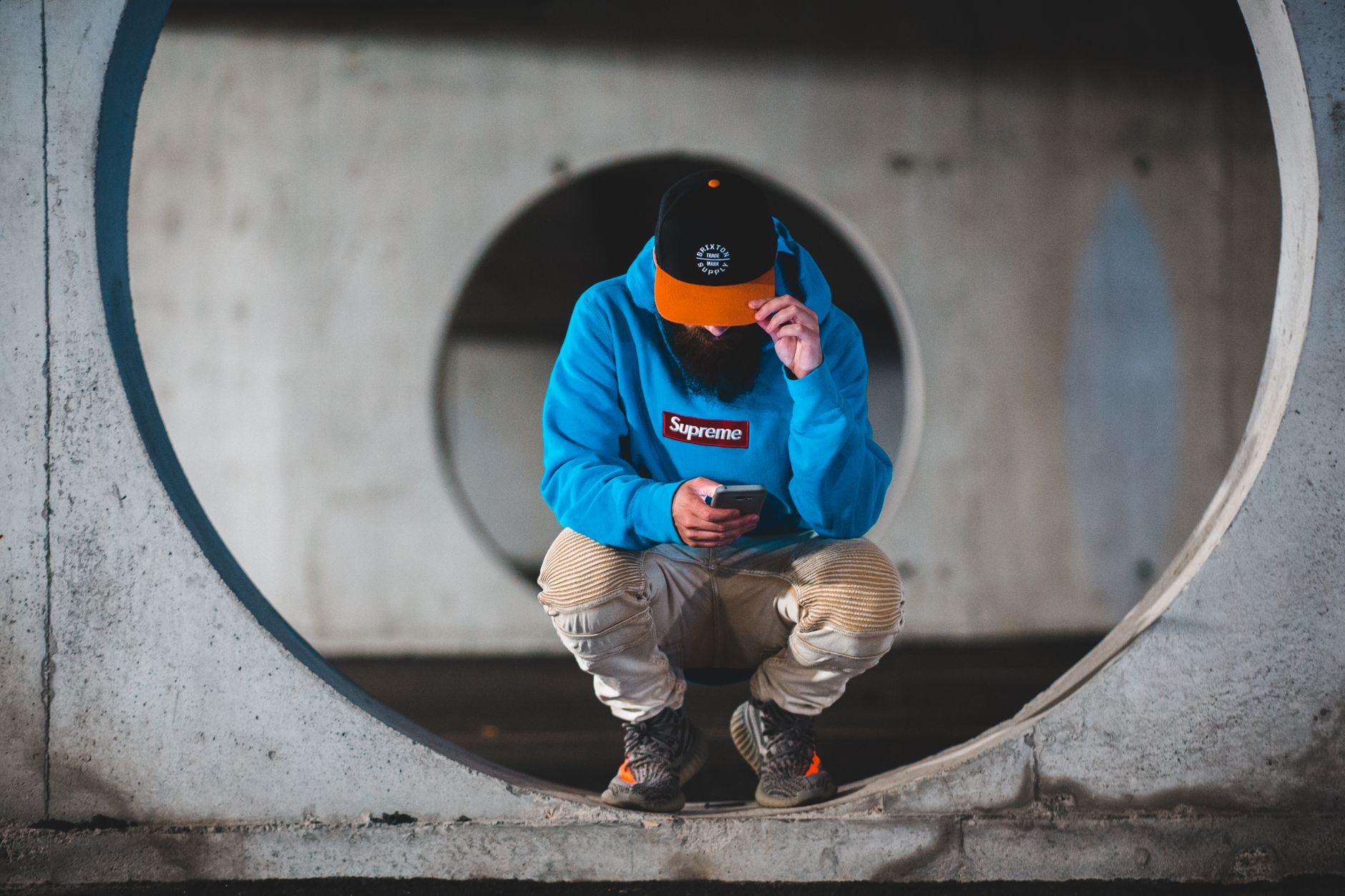
The moment when streetwear transitioned from niche youth culture to mainstream fashion represents a fundamental shift in how culture functions. Luxury brands began studying streetwear brands, learning from their community engagement and release strategies. Designers trained on streetwear aesthetics began helming prestigious houses. Hypebeast documented this transformation precisely as it occurred, recognizing that something significant was changing about how fashion operated globally. The platform captured the moment when casual Friday became acceptable in corporate environments, when basketball players and rappers achieved equal cultural weight to Hollywood actors, when global youth culture began consciously rejecting traditional hierarchy in favor of what felt authentic to them.
This mainstreaming created unexpected dynamics. Streetwear brands suddenly had the resources and distribution networks of luxury houses, while luxury houses attempted to learn the authenticity that made streetwear compelling. Winners in this new landscape combine heritage respect with creative fearlessness, understanding both the history they emerge from and the future they’re helping create. The most significant contemporary collections reflect this dual awareness, honoring streetwear’s grassroots origins while leveraging resources for unprecedented creative ambition.
The Global Evolution of Street Culture
Contemporary streetwear is genuinely global in ways previous fashion movements never achieved. Japanese designers influence American street culture while American brands shape European aesthetics, creating a circular conversation that transcends traditional fashion center hierarchies. Hypebeast captures this global perspective by covering emerging talent from Seoul to London to São Paulo, recognizing that contemporary style emerges from multiple cultural centers simultaneously. This internationalism reflects how young people globally share references, memes, music, gaming culture, creating shared aesthetic language that operates independently of traditional gatekeepers.
Social media accelerated this process dramatically. Designers can build global communities without traditional fashion press support. A young creator in any city can post their work, gain international following and potentially collaborate with established brands directly. This democratization hasn’t eliminated hierarchy, certain brands and designers command more attention, but it has fundamentally shifted how authority operates in fashion. Followers matter as much as credentials, authenticity matters as much as heritage and creative vision matters as much as institutional backing.
The Future of Streetwear Culture
Streetwear’s evolution reflects broader cultural transformation around authenticity, community and creative expression. As traditional institutions lose influence, people increasingly look toward culture emerging directly from communities they identify with. Hypebeast tracks this shift not through fashion predictions but through documenting genuine cultural moments, the collaborations that matter, the designers shaping perspectives, the moments when streetwear continues proving that today’s most powerful cultural movements emerge from streets rather than boardrooms. The platform recognizes that style remains one of the most direct ways people communicate identity and values. By tracking how streetwear has become the dominant visual language of global youth culture, Hypebeast documents something larger about who gets to shape contemporary aesthetics and how culture actually evolves in practice rather than theory.