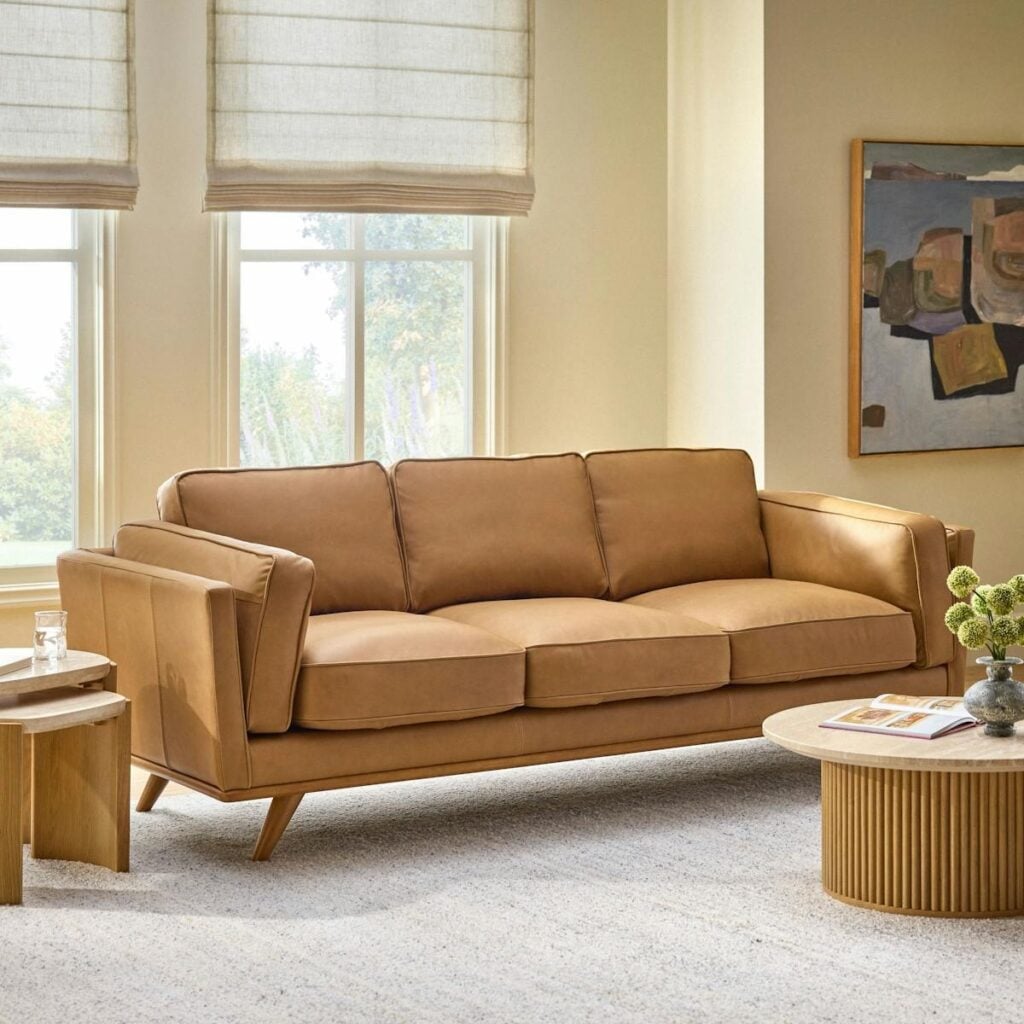
Leather sofas occupy a specific place in contemporary furniture shopping, where comfort has to meet lasting good looks. Article leather sofas sit inside a broader catalog of contemporary, mid century, and modern furniture, and the brand’s website frames leather seating as something that gets better with age. This piece looks at how frame construction, leather grade, and configuration choices set individual pieces apart within that range.
Understanding Article’s Leather Sofa Design Philosophy
Article describes its leather seating as svelte, stylish, and sturdy, a phrase that sums up a design approach built around clean lines rather than heavy ornamentation. The leather sofas section sits alongside living room, bedroom, dining and kitchen, home office, and outdoor collections on the site, so a leather sofa is shopped within a wider furnishing plan rather than on its own. That placement also makes it simple to browse best-selling styles the site highlights as customer favorites.
The leather lineup leans on understated silhouettes that still fit the brand’s mid century and modern catalog, which matters for anyone trying to match a new sofa to existing dining or bedroom pieces from the same source. A cohesive design language makes it easier to picture how a single leather sofa will sit within a larger room plan. That consistency carries through to frame choices, covered next.
Frame Construction and Durability in Article Leather Sofas
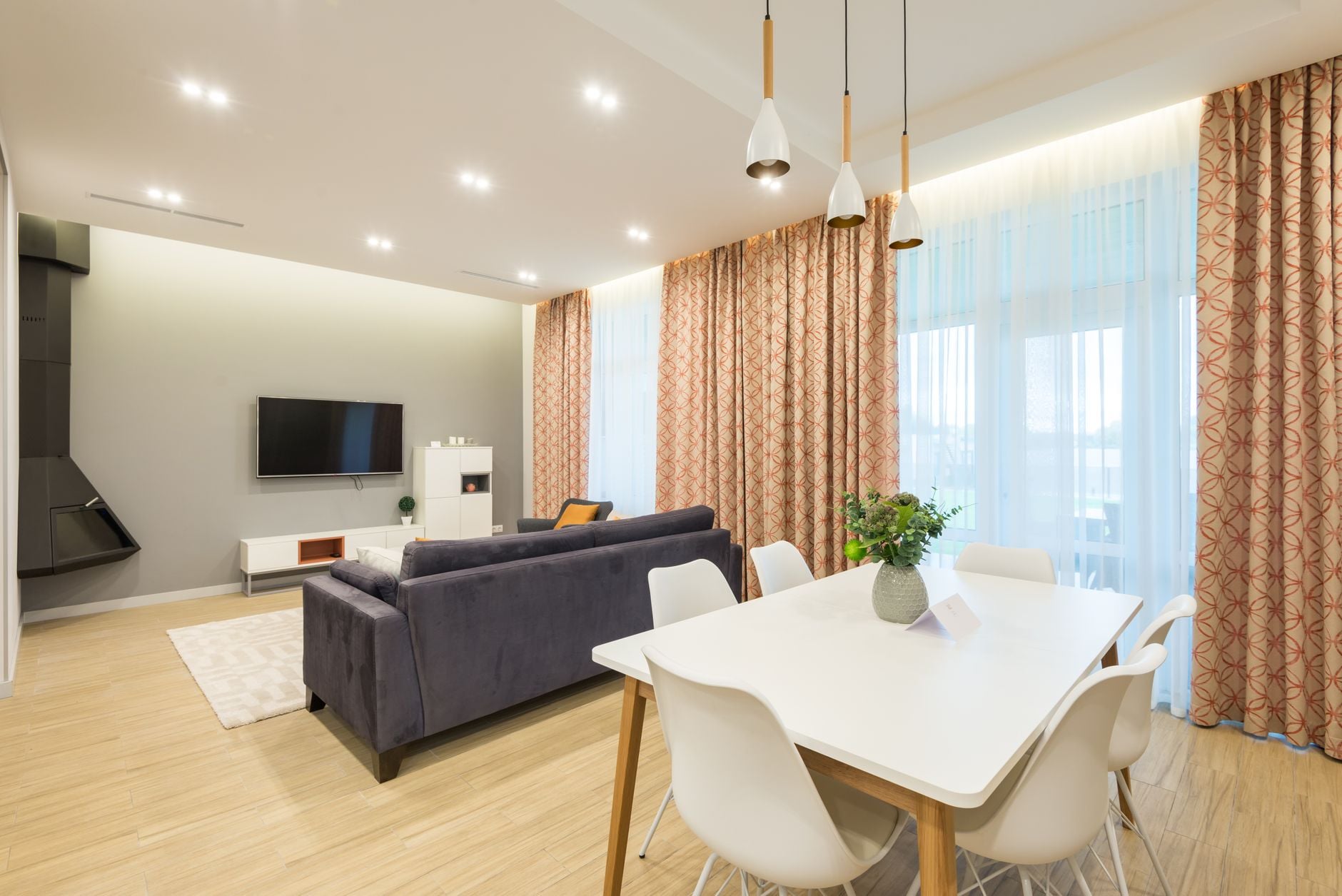
Frame construction is the structural foundation underneath any leather sofa, and it determines how a piece holds its shape over years of use. While Article‘s public listings focus more on finished look than on hidden engineering, the emphasis on sturdiness as a stated design goal points to frames meant to support daily sitting, lounging, and reclining without sagging. Durability claims in the leather category tend to center on how well a frame resists shifting under regular pressure.
For shoppers comparing options, frame quality often becomes the deciding factor once leather color and shape have been settled. A well-built frame also affects how a sectional performs when sections are rearranged or detached, which matters for anyone planning to reconfigure a room later. That structural question connects directly to the leather grade choices covered next.
Leather Grade and Finish Variations Across the Range
Leather grade and finish are what separate one sofa’s tactile feel from another, even when silhouettes look similar in photos. Grain pattern, thickness, and surface treatment all influence how a cushion feels under hand and how a seat responds after repeated use. Article’s catalog presents leather as a material choice positioned against the fabric options shown elsewhere on the site.
Finish also affects maintenance expectations, since a smoother top-grain surface behaves differently than a more textured or distressed finish. Shoppers browsing Sofas typically weigh finish alongside color, since both affect how a piece reads in natural versus artificial light. These finish differences are part of what makes comparing Article leather sofas side by side a useful exercise before settling on one model.
Modular and Sectional Configurations in Article’s Lineup
Sectional and modular configurations give shoppers more flexibility than a fixed three-seat sofa, especially in open-plan living rooms. The living room category sits alongside the leather sofas section on Article‘s site, suggesting configuration options span chaise-ended sectionals, corner arrangements, and straight multi-seat setups. Modular pieces also allow a layout to be adjusted if a household moves to a differently shaped room.
That adaptability is one reason sectional leather seating has grown popular across contemporary furniture brands generally. A modular approach lets a single leather sofa function as a compact loveseat in one space and expand into a larger sectional in another. This kind of flexibility is often cited as a practical advantage of modular leather furniture as a category, independent of any single brand.
Storage and Space-Saving Features in Contemporary Leather Pieces
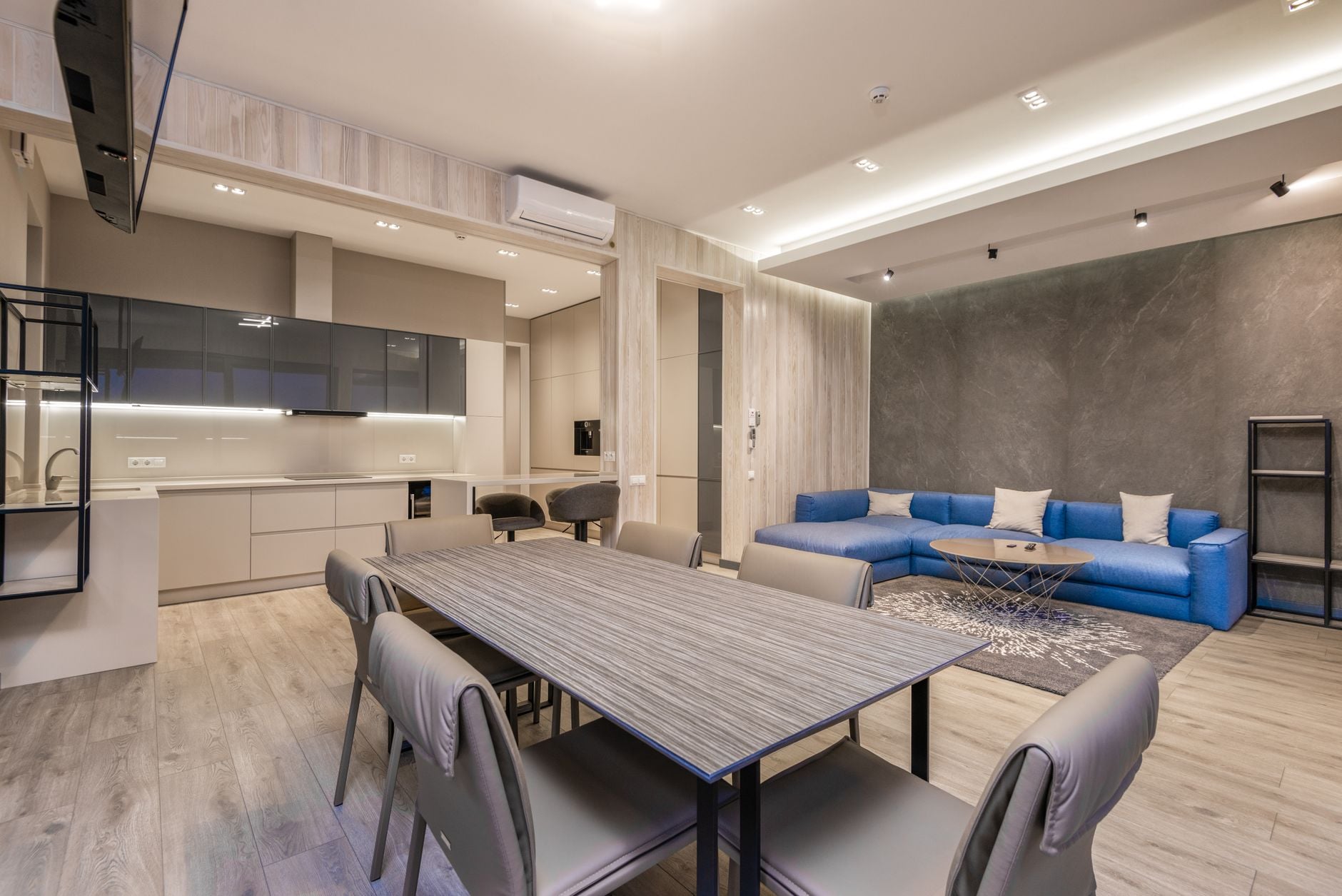
Storage-conscious design is a visible theme across the wider catalog, with a dedicated storage section promoting pieces that give everything a place without taking up extra room. That emphasis is most apparent in dressers, nightstands, and media units such as the Jokuna 48″ Vinyl Media Unit, but the same space-conscious thinking carries into how contemporary leather sofas get designed more broadly. Low-profile arms, slim bases, and compact sectional pieces all reflect a similar instinct toward efficient use of floor space.
In smaller living rooms, a space-saving silhouette can matter as much as leather grade when choosing a sofa. Contemporary leather seating in general has moved toward trimmer profiles that still offer full seating depth. That balance between visual footprint and usable space is a recurring theme across modern furniture design.
- Leather grade varies in grain pattern, thickness, and finish, which changes both feel and appearance between models.
- Frame materials affect how well a sofa holds its shape through years of regular use.
- Cushion support systems determine whether a seat feels firm and structured or soft and plush.
- Customization options, including sectional configuration and arm style, let a single base design adapt to different room layouts.
- Finish treatments influence maintenance expectations, since smoother leathers behave differently than textured ones.
Styling Article Leather Sofas in Modern Interiors
Styling a leather sofa well often comes down to contrast, pairing a structured leather piece with softer textiles like rugs, throw pillows, or linen curtains. Article’s own customer gallery shows leather and fabric furniture styled across a range of real living rooms, offering a sense of how the pieces read outside a studio photograph. That kind of social proof gives shoppers a more grounded picture of scale and color than product photography alone.
Neutral leather tones tend to pair easily with walnut furniture, a wood finish that appears repeatedly across the dining and bedroom lines, including the Heidi extendable dining tables and the Cooper bedroom pieces. Because the range spans multiple rooms, matching a leather sofa to an existing walnut dining table or bedroom set is a straightforward way to build a consistent look. Full product listings, finishes, and configuration details for Article leather sofas can be reviewed directly on the brand’s site.
Choosing among leather sofas ultimately means weighing frame, grade, configuration, and finish against the shape of a specific room, which is what keeps this category worth browsing slowly.