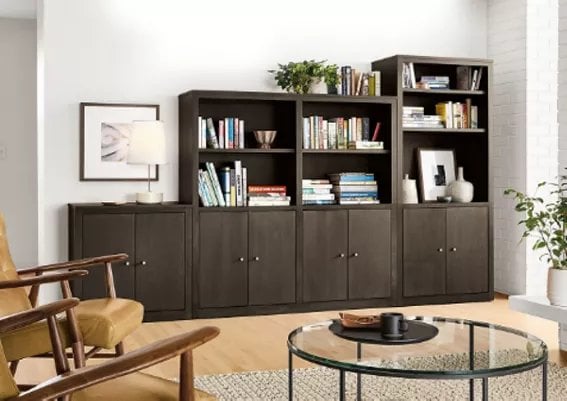
Modern furniture design is often used loosely to describe anything new on a showroom floor, but the term actually points to a specific set of principles rooted in function and restraint. Understanding what separates genuinely modern pieces from trend-driven knockoffs helps explain why certain brands endure for decades. Room & Board is one such heritage name, built on craftsmanship, domestic manufacturing, and sustainable sourcing rather than fleeting trends.
What Is Modern Furniture: Design Principles and Aesthetics
Design traces its roots to a mid-century shift away from ornamentation toward honest materials and purposeful form. Pieces built around this philosophy tend to favor clean geometry, exposed structure, and a visible relationship between material and function. Rather than disguising how something is built, modern pieces often let construction become part of the visual language.
This approach also tends to prioritize versatility. A well-designed modern sofa or table is meant to adapt to different rooms and layouts over time, rather than being tied to a single decorating moment. That adaptability is part of why modern furniture design has remained relevant across generations of homeowners rather than cycling in and out like a passing fad.
Room & Board’s 45-Year Legacy in Contemporary Home Design
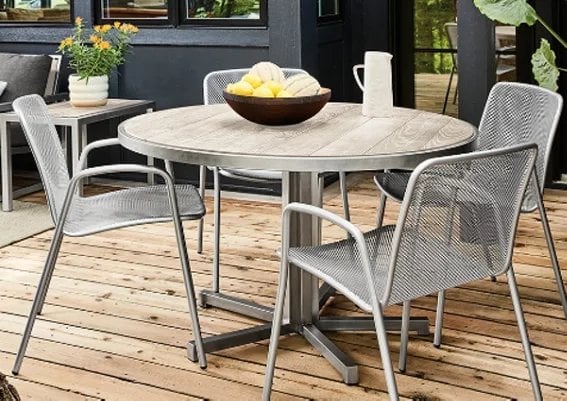
Room & Board describes itself as a leader in quality modern furniture since 1980, which places its history across more than four decades of continuous operation. That kind of longevity in the furniture industry is notable, since many retailers pivot style directions every few seasons. Staying anchored to a consistent design point of view has let the brand build a recognizable identity around contemporary, functional pieces.
Alongside its product catalog, Room & Board offers services like free design help for a space, signaling that the brand positions itself as more than a transactional seller of goods. Combined with features like full-service delivery, the company frames furniture buying as a longer relationship rather than a single purchase.
Metro Sofas and Sectionals: A Signature Collection Explained
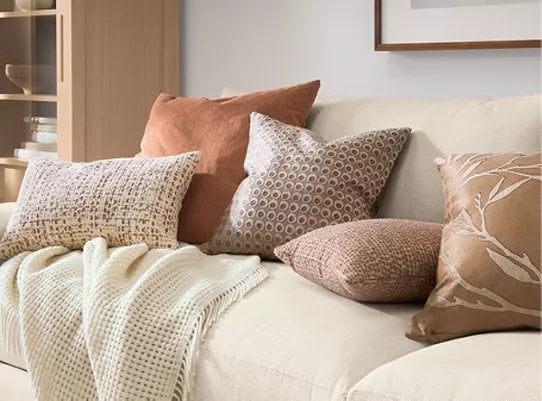
Among the most recognized collections at Room & Board are the Metro sofas and sectionals, which have been described by outside reviewers as a time-tested, customizable classic. That characterization points to two defining traits of the line: durability over time and flexibility in configuration. Customization is a hallmark of modern furniture design more broadly, since it allows a single base design to fit varied living spaces.
Sectionals in particular reward this kind of flexible thinking, since a household’s layout needs can shift with a move or a room remodel. The Metro line’s reputation as a customizable option reflects a broader trend in modern seating, where adaptability matters as much as initial appearance.
Parsons Tables and Hudson Beds: Foundational Pieces in the Range
Two other collections anchor the Room & Board catalog in distinct categories. The Parsons tables have been noted as a nearly indestructible combo, suggesting a construction built to withstand daily dining-room use. Parsons-style tables generally rely on simple rectilinear legs and a flush tabletop, a silhouette closely associated with the broader design tradition.
The Hudson beds, meanwhile, have been described as rustic yet sleek, a pairing that captures how modern design often blends natural material texture with a restrained, uncluttered frame. Together, the Parsons and Hudson lines represent foundational categories, dining and sleeping furniture, that round out a catalog otherwise anchored by seating.
Sustainably Sourced Wood and Commitment to Materials

Material sourcing has become a defining differentiator among furniture brands, and Room & Board states it has achieved 100% sustainably sourced wood across its assortment. That is a specific, assortment-wide claim rather than a single-collection pledge, meaning the commitment runs through dining tables, bed frames, and storage pieces alike. Sourcing practices like this tie back into the broader values associated with contemporary design, where material transparency carries as much weight as visual form.
For furniture buyers weighing long-term purchases, sourcing commitments often factor into decision-making alongside construction quality. A brand-wide wood sourcing standard gives a consistent baseline across very different product categories, from a dining table to a bedroom dresser.
12,000 U.S. Craftspeople and Domestic Manufacturing at Scale
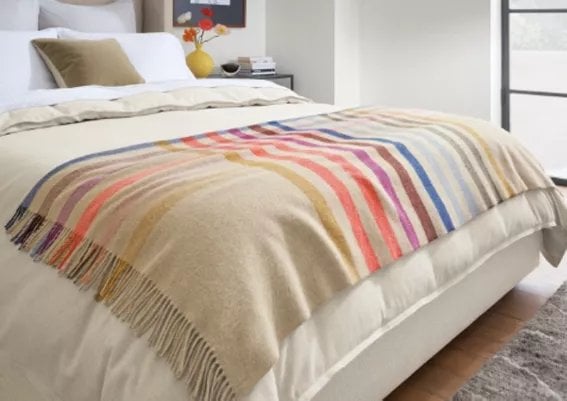
The brand states that 12,000 U.S. craftspeople help make its furniture, a figure that points to a manufacturing network built across many individual makers rather than a single large factory. Domestic production at that scale is uncommon in an industry that has largely shifted manufacturing overseas. It also ties the identity of the furniture closely to the people actually building each piece, rather than to a design studio alone.
That network supports collections ranging from the Metro sofas and sectionals to the Emerson storage and Ford chairs lines also featured among customer favorites. Keeping production domestic across such a wide product range is a structural choice that shapes how the catalog is presented, emphasizing the craftspeople behind it as much as the finished object.
- Modern furniture design emphasizes minimalism, favoring uncluttered forms over heavy ornamentation.
- Functionality is treated as a core design requirement, not an afterthought added once the look is finalized.
- Clean lines and geometric simplicity distinguish modern pieces from more ornate traditional styles.
- Customization options, such as configurable sectionals, let a single design adapt to different rooms and households.
- Quality materials, including responsibly sourced wood, are treated as integral to a piece’s design integrity rather than a separate concern.
Taken together, these threads, design principles, signature collections, material sourcing, and domestic craftsmanship, describe a brand that treats modern furniture design as a long-term commitment rather than a seasonal trend to chase.