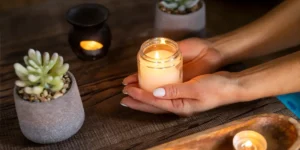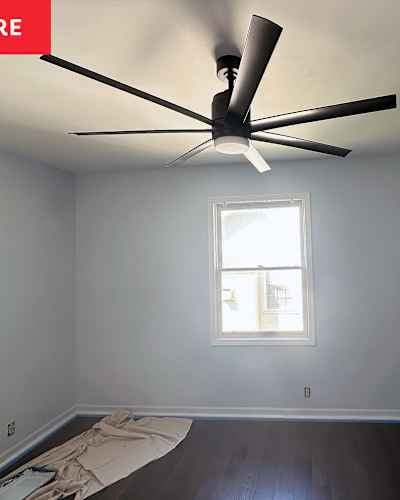
Cold months change how rooms feel long before they change how rooms look, which is why winter room decorating tends to focus on warmth, texture, and light rather than a full overhaul. Apartment Therapy approaches the season as an opportunity to refresh a living space with small, deliberate choices instead of a complete redesign. From color swaps to lighting adjustments, the ideas below draw on practical approaches shared across its community of readers and contributors.
Creating Warmth with Winter Color Palettes
Deep, muted tones tend to dominate winter room decorating because they read differently under shorter daylight hours than the brighter shades favored in warmer months. Apartment Therapy regularly features real home tours that show how a single accent wall or a change in textile color can shift a room’s mood. In one tour, a light blue boy’s nursery balanced a soft, timeless palette with traditional decor details, showing that cooler colors can still feel cozy when paired thoughtfully.
Rather than repainting entire rooms, many readers rotate smaller elements such as pillow covers, throws, and artwork to introduce seasonal color. That approach keeps the underlying design flexible while still signaling a change of season. It also avoids the larger commitment of a full repaint during colder weeks, when drying time and ventilation are less convenient.
Layering Textures for Seasonal Comfort
Texture plays an outsized role once the color palette settles. Adding knit throws, heavier rugs, or textured cushions builds a tactile layer that pairs naturally with decorating goals. Apartment Therapy‘s shopping guides often highlight laundry baskets, hampers, and storage textiles that double as functional decor, showing how practical items can still shape a room’s overall feel.
Layering is not limited to soft furnishings. Mixing matte and glossy finishes across furniture and accessories adds depth to a room without requiring new purchases. This kind of variation keeps a space visually interesting even when the color scheme stays simple.
DIY Molding and Accent Projects for Winter Rooms

Hands-on projects are a recurring theme in home tours featured by Apartment Therapy, and molding work is one of the clearest examples. The nursery mentioned earlier used DIY molding to give a simple room a more architectural, timeless feel, a detail the homeowner completed under a tight deadline before the baby arrived. That kind of accent work does not require extensive renovation experience, which is part of why it appears so often in reader-submitted projects.
Other accent projects include DIY wallpaper murals, as seen in a 280-square-foot vintage RV transformation that embraced its original character while adding new personality. These smaller-scale builds show that winter room decorating does not always mean large furniture purchases. A weekend project focused on trim, paint, or a single wall can shift how an entire room reads.
Seasonal Storage and Organization Solutions

Winter often brings an influx of heavier clothing, blankets, and holiday items that need somewhere to go. Coverage of storage closets, including a piece exploring how AI tools helped fix a chaotic storage space, reflects how much attention organization gets alongside purely visual decorating. Rolling baskets and hampers with hidden compartments, both covered in editor-tested roundups, offer practical ways to keep seasonal textiles accessible without cluttering a room.
Good organization also supports the textile layering mentioned earlier. Having a clear system for rotating out lighter summer linens in favor of heavier winter ones makes seasonal swaps easier to maintain. That kind of rotation keeps a home adaptable as weather and routines shift.
Bringing Winter Light into Dark Spaces
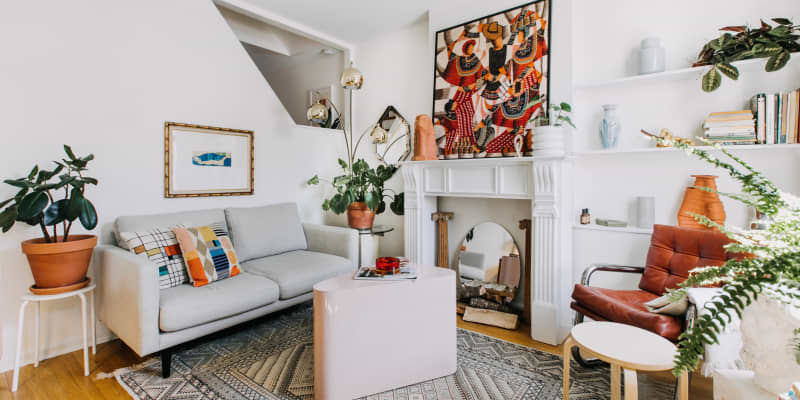
Shorter days mean natural light becomes a scarcer resource, and winter room decorating often has to compensate. Mirrors, lighter window treatments, and strategically placed lamps are common solutions readers use to brighten rooms during darker months. This kind of lighting problem comes up often in design coverage, since fixes can usually be made without any structural work.
Layering different light sources, such as combining overhead fixtures with smaller table lamps, creates a warmer glow than a single bright source. This approach also gives a room more flexibility for different times of day. As evenings get longer, that flexibility becomes more noticeable in daily use.
Mood Board Design Inspiration for Cold-Weather Interiors
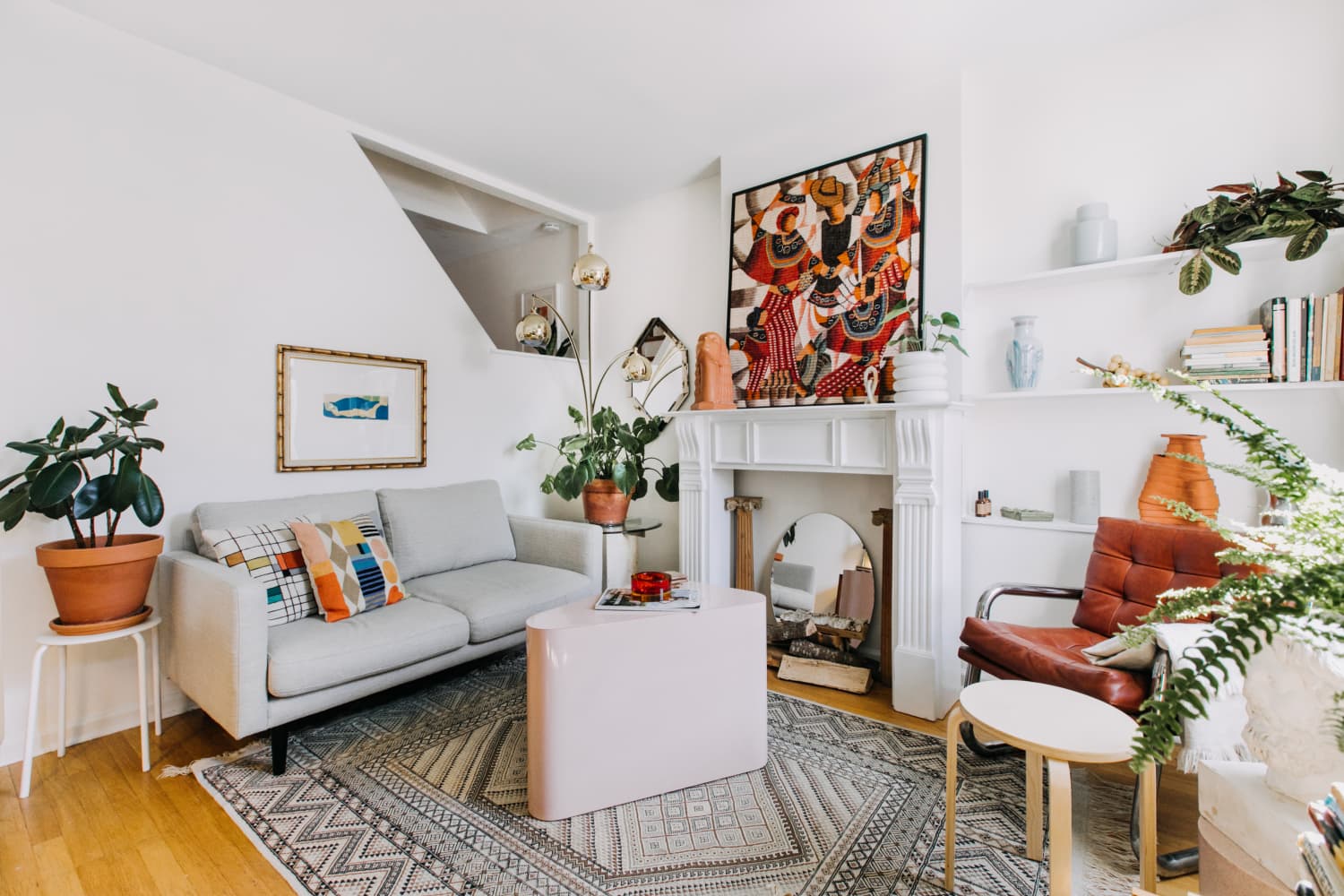
Apartment Therapy includes a Mood Board tool among its site features, letting someone collect ideas and plan a room before committing to changes. This kind of planning step suits winter projects well, since testing color and texture combinations ahead of time can prevent missteps. A library of 600,000 room photos shared by the community gives plenty of reference points for building a seasonal mood board.
Beyond individual projects, newsletters and a Substack-based series called Design Defined offer ongoing inspiration for readers who want regular updates rather than a single seasonal push. With a social following of 12 million and a global audience of 20 million, the site draws on a wide range of real homes rather than a narrow set of show houses.
- Many readers swap lightweight summer bedding for flannel or knit sheet sets once temperatures drop.
- Others add plug-in string lights or extra lamps to counter shorter daylight hours.
- Temporary wall treatments, such as removable wallpaper or fabric panels, let renters update a room without permanent changes.
- Seasonal rugs layered over existing flooring add warmth underfoot without replacing larger furniture.
- Rotating artwork or textiles tied to winter themes refreshes a room’s focal points without new purchases.
Winter room decorating works best as a series of small, reversible choices rather than one dramatic change. Each adjustment, from a new throw to a brighter lamp, adds up over the season.